Rail Head: Kathmandu is not connected to any Railways
Stay: Hotel and teahouse
Food: Meals while on trek & at Hotel/Guesthouse
Location: Kathmandu
Distance: 112 Km.
Trail Type: Circle trail | Camping in various locations, starting and ending at the same point.
AirPort: Kathmandu (Tribhuvan International Airport)
Highlights:
USD 1450 for Non-Indians and OCI card holders
Services from Kathmandu to Kathmandu.
Ramechaap to Lukla flight & Return is included
2 Night Kathmandu Stay is included.
All Meals from Lukla to Lukla are included.
Farewell Dinner in Kathmandu
Complimentary cloakroom at base camp for safe storage.
Who Can Participate
Age Requirement:
Minimum 16 years
First-timers are welcome, though prior trekking experience is preferred. Good fitness is a must.
Fitness Criteria:
The Trekker should have sufficient stamina to cover 5 km of distance in 30 minutes without stress or 10 km of distance by jogging in 70 minutes without stress.
If the trekker prefers cycling he/ she should be able to cycle 20 km of distance in 55 minutes.
If the trekker wants to carry a backpack then he/she should be able to carry a 10-12 kg backpack. If opt Off-load option then the Trekker should be able to carry 3-5 kg backpack.
If a trekker’s BMI is more or less than the normal range (18-26), please consult our Trek Coordinator before booking.
Itinerary
Day-1: Arrive At Kathmandu
Altitude Kathmandu: 1,300 m/ 4,300 ft.
Day-2: Drive from Kathmandu to Ramechaap then Fly to Lukla and Trek To Phakding
Altitude
Lukla: 2,800 m/ 9,200 ft.
Phakding: 2,600 m/ 8,500 ft.
Trek Distance (Lukla to Phakding): 7 km | 4-5 hrs.
Note:
Flights to Lukla are prone to delay due to weather, keep 3-4 buffer days in your plan.
Day-3: Trek from Phakding To Namche Bazaar | A Major Trading Hub In Khumbu
Altitude
Phakding – 2,600 m / 8,500 ft.
Namche Bazaar – 3,500 m / 11,500 ft.
Trek Distance: 10 km | 7 hrs.
Day-4: Acclimatization Day | Explore Namche Bazaar
Day-5: Trek from Namche Bazaar To Tengboche | Visit The Largest Buddhist Monastery Of Khumbu
Altitude:
Namche Bazaar – 3,500 m / 11,500 ft.
Tengboche – 3,900 m / 12,700 ft.
Trek Distance: 11 km | 5-6 hrs.
Day-6: Trek from Tengboche To Dingboche | Stunning Views Of Ama Dablam
Altitude:
Tengboche – 3,900 m / 12,700 ft.
Dingboche – 4,300 m / 14,200 ft.
Trek Distance: 12 km | 6-7 hrs.
Day-7: Dingboche (Rest Day) | Acclimatize To Higher Altitudes
Day-8: Trek from Dingboche To Lobuche | Pay Your Respects In Everest Memorial
Altitude:
Dingboche – 4,300 m / 14,200 ft.
Lobuche – 4,900 m / 16,200 ft.
Trek Distance: 6 km | Duration: 4-5 hrs.
Day-9: Trek from Lobuche To Gorakshep | Excursion To Everest Base Camp
Altitude:
Gorakshep – 5,200 m / 17,000 ft
Everest Base Camp – 5,400 m / 17,700 ft
Trek Distance:
Lobuche To Gorakshep:6 km | 3-4 hrs.
Gorakshep To EBC: 3 km away each | 2hrs.
Day-10: Hike To Kalapatthar And Retreat Trek To Pangboche | Enjoy Arresting Views Of Mt. Everest
Altitude:
Kalapatthar – 5,500 m / 18,200 ft.
Pangboche – 3,900 m / 12,800 ft.
Trek Distance:
Gorakshep to Kalapatthar – 4 km Both way | 3-4 hrs.
Gorakshep to Pangboche – 19 km | 7-8 hrs.
Day-11: Trek from Pangboche To Namche Bazaar | Buy Some Souvenirs
Altitude:
Pangboche – 3,900 m / 12,800 ft.
Namche Bazaar – 3,500 m / 11,500 ft.
Trek Distance: 14 km | 6-7 hrs.
Day-12: Trek from Namche Bazaar To Phakding To Lukla | Last Day Of Trekking
Altitude:
Namche Bazaar – 3,500 m / 11,500 ft.
Phakding – 2,600 m / 8,500 ft.
Lukla – 2,800 m / 9,200 ft.
Trek Distance: 16 km | 7-8 hrs.
Day-13: Flight from Lukla to Ramechhap and drive to Kathmandu
Your trek to Everest Base Camp is over.
Note: Weather conditions may cause flight cancellations. Delays are possible any time of the year but are more typical on summer departures. Keep 3-4 buffer days .
Day 1: Arrival in Kathmandu
Altitude: 1,300 m / 4,300 ft
Stay: Hotel
Arrive in Kathmandu, the capital city of Nepal and the gateway to the Himalayas.
After reaching the airport, transfer to your hotel and check in.
In the evening, there will be a briefing session about the Everest Base Camp trek, the route, and safety guidelines.
You may also explore the markets of Kathmandu for last-minute trekking gear.
Day 2: Drive to Ramechhap – Fly to Lukla – Trek to Phakding
Lukla Altitude: 2,800 m / 9,200 ft
Phakding Altitude: 2,600 m / 8,500 ft
Trek Distance: 7 km | 4–5 hrs
Stay: Teahouse
Early in the morning drive to Ramechhap Airport and take a scenic flight to Lukla, the starting point of the Everest trek.
From Lukla begin trekking through beautiful villages and forests before reaching the peaceful village of Phakding where you stay overnight.
Day 3: Trek from Phakding to Namche Bazaar
Phakding: 2,600 m / 8,500 ft
Namche Bazaar: 3,500 m / 11,500 ft
Trek Distance: 10 km | 6–7 hrs
Stay: Teahouse
Today’s trek follows the Dudh Koshi River and crosses several suspension bridges including the famous Hillary Bridge.
After entering Sagarmatha National Park, a steep climb leads to Namche Bazaar, the main trading center of the Khumbu region.
Day 4: Acclimatization Day at Namche Bazaar
Stay: Teahouse
Today is reserved for acclimatization. You can explore Namche Bazaar and visit nearby viewpoints.
A short hike to Everest View Point or the Sagarmatha Museum offers spectacular views of Everest, Ama Dablam, and other Himalayan peaks.
Day 5: Trek from Namche Bazaar to Tengboche
Namche: 3,500 m
Tengboche: 3,900 m
Trek Distance: 11 km | 5–6 hrs
Stay: Teahouse
The trail offers spectacular mountain views including Everest, Lhotse and Ama Dablam.
Reach Tengboche, home to the famous Tengboche Monastery, the largest monastery in the Khumbu region.
Day 6: Trek from Tengboche to Dingboche
Tengboche: 3,900 m
Dingboche: 4,300 m
Trek Distance: 12 km | 6–7 hrs
Stay: Teahouse
Descend through forests to Deboche and continue through Pangboche village while enjoying stunning views of Ama Dablam.
Gradually climb through alpine landscapes before reaching Dingboche village.
Day 7: Acclimatization Day at Dingboche
Stay: Teahouse
Another acclimatization day helps the body adjust to higher altitude.
Short hikes to nearby viewpoints follow the principle of “climb high, sleep low” which reduces the risk of altitude sickness.
Day 8: Trek from Dingboche to Lobuche
Dingboche: 4,300 m
Lobuche: 4,900 m
Trek Distance: 6 km | 4–5 hrs
Stay: Teahouse
The trail gradually climbs through alpine terrain towards Thukla Pass.
Along the route you will see memorials dedicated to climbers who lost their lives on Everest before reaching Lobuche village.
Day 9: Trek from Lobuche to Gorakshep – Visit Everest Base Camp
Gorakshep: 5,200 m
Everest Base Camp: 5,400 m
Trek Distance: 9 km total
Stay: Teahouse
Trek to Gorakshep along the Khumbu Glacier and continue further to Everest Base Camp.
Standing at the base of the world's highest mountain is an unforgettable experience. Return to Gorakshep for the night.
Day 10: Hike to Kala Patthar – Trek to Pangboche
Kala Patthar: 5,500 m
Pangboche: 3,900 m
Trek Distance: 19 km
Stay: Teahouse
Early morning hike to Kala Patthar offers the best panoramic view of Mount Everest and surrounding peaks.
After enjoying the sunrise views, descend through Lobuche and continue trekking down to Pangboche village.
Day 11: Trek from Pangboche to Namche Bazaar
Pangboche: 3,900 m
Namche Bazaar: 3,500 m
Trek Distance: 14 km | 6–7 hrs
Stay: Teahouse
Continue descending through forests and villages before reaching Namche Bazaar again.
Spend the evening exploring the lively market and enjoying a comfortable rest.
Day 12: Trek from Namche Bazaar to Lukla
Namche: 3,500 m
Lukla: 2,800 m
Trek Distance: 16 km | 7–8 hrs
Stay: Teahouse
Today marks the final day of trekking as you descend through forests and villages following the Dudh Koshi River.
Reach Lukla where you celebrate the successful completion of the Everest Base Camp trek.
Day 13: Fly from Lukla to Ramechhap – Drive to Kathmandu
Drive: Ramechhap to Kathmandu
Stay: Hotel in Kathmandu
Take a scenic morning flight from Lukla to Ramechhap and drive back to Kathmandu.
This marks the end of your incredible Everest Base Camp trekking adventure.
Trek Essentials
Backpack with rain cover
(50 – 60 ltr) with comfortable shoulder straps
Day pack with rain cover
20 – 30 ltr (If off-load opted)
Walking stick
Advisable (At least one)
Water Bottle / Hydration pack
2 bottles of one liter each, People who use hydration pack 1 hydration pack and 1 bottle of one liter, Carry at least one thermos flask.
Small size tiffin/lunch box
1 Nos
Snacks
Energy bars, dry fruits, electral/ors
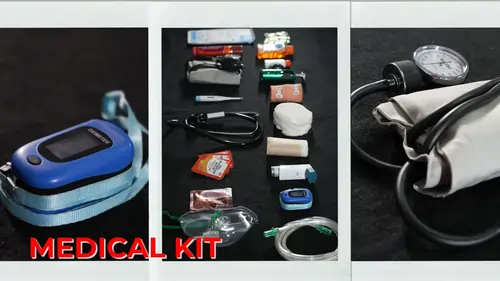
Personal Medical Kit
Consult your doctor
T-Shirt (Synthetic quick dry)
2 Full & 2 Half sleeves
Fleece T-shirt
2 Nos
Fleece jacket
1 Nos
Windproof Jacket
1 Nos.
Down feather / Hollow jacket
1 Nos.
Thermal inner (Upper and Lower)
1 Pair
Trek Pant (Synthetic quick dry)
3 Nos.
Fleece Pant
1 Nos.
Waterproof gloves
1 Pair
Fleece / woollen gloves
1 Pair
Poncho / waterproof Jacket and pant
1 Nos.
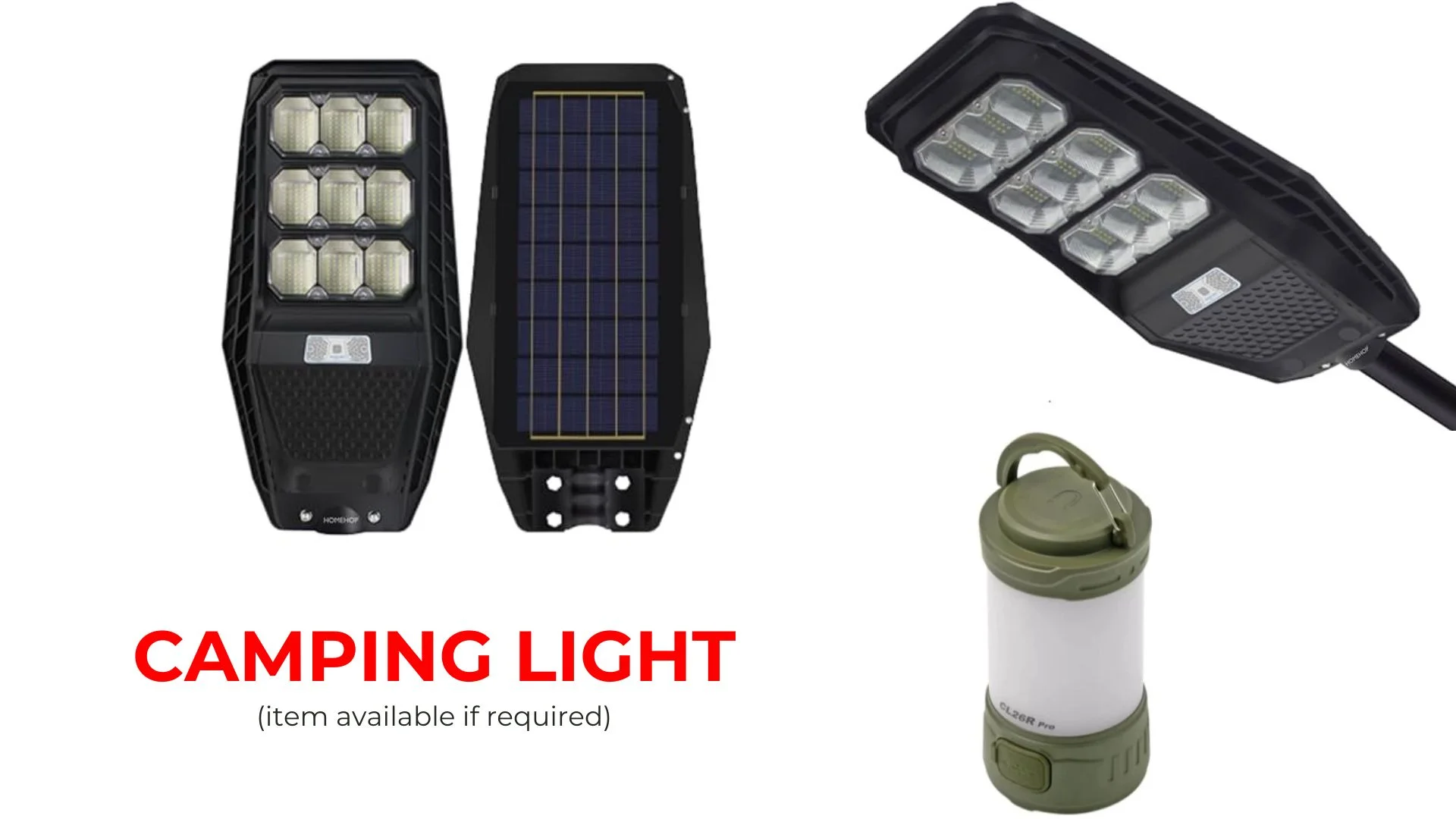
Head torch
1 Nos. (Avoid Hand torch)
Sun Cap
1 Nos
Woolen cap
1 Nos.
Balaclava
1 Nos.
Buff / Neck-gaiters
1 Synthetic & 1 Woollen
Sunglasses
UV with dark side cover, People who wear spectacles – (A)- Use contact lenses | (B)- Photo chromatic glasses
Trekking shoes
1 Pair (Water-resistant, high ankle, good grip)
Floaters / flip-flops
1 Pair
Cotton socks
6 pairs
Woollen socks
1 pairs
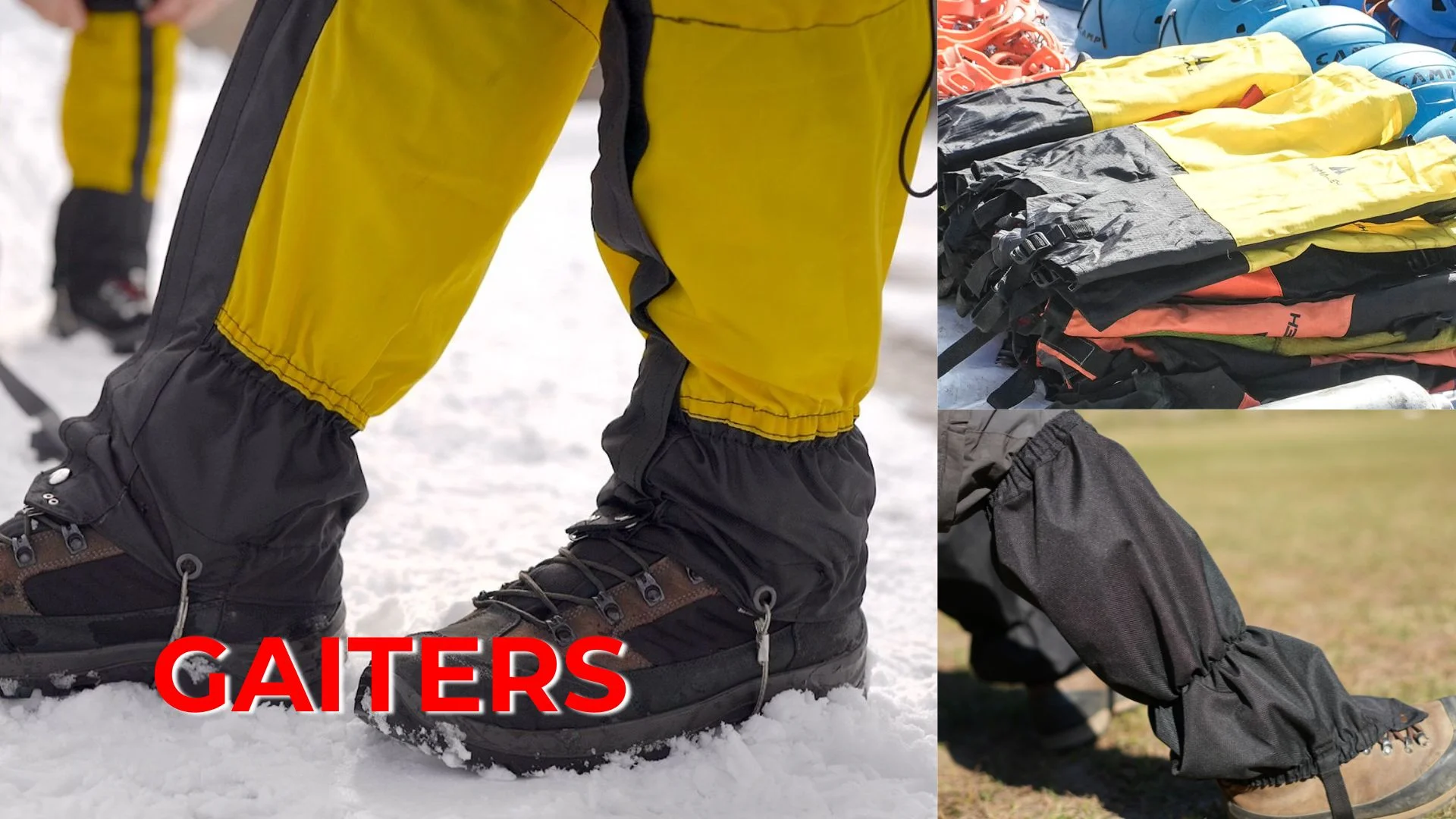
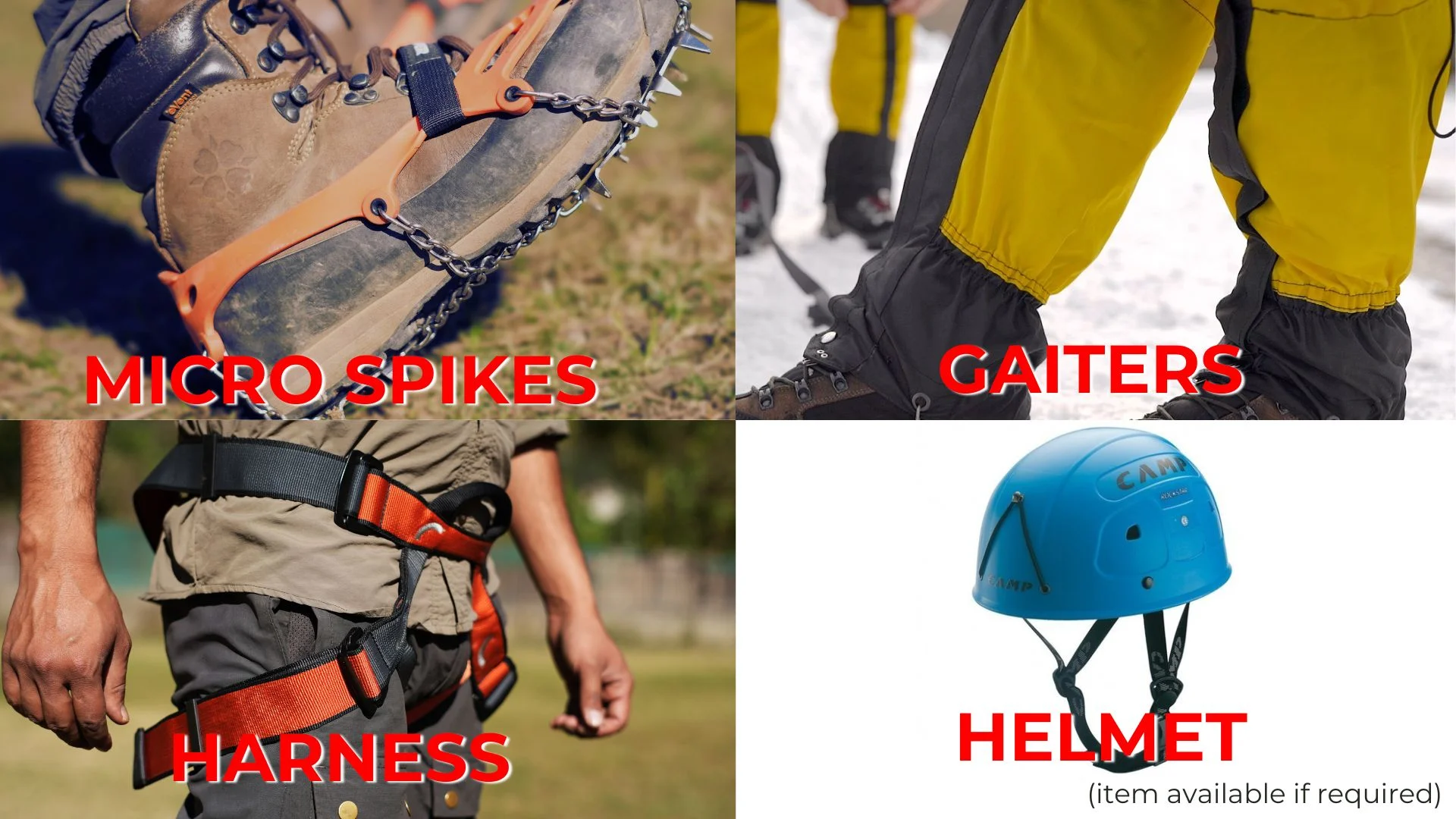
Gaiters
1 Pair (NK provides when required)
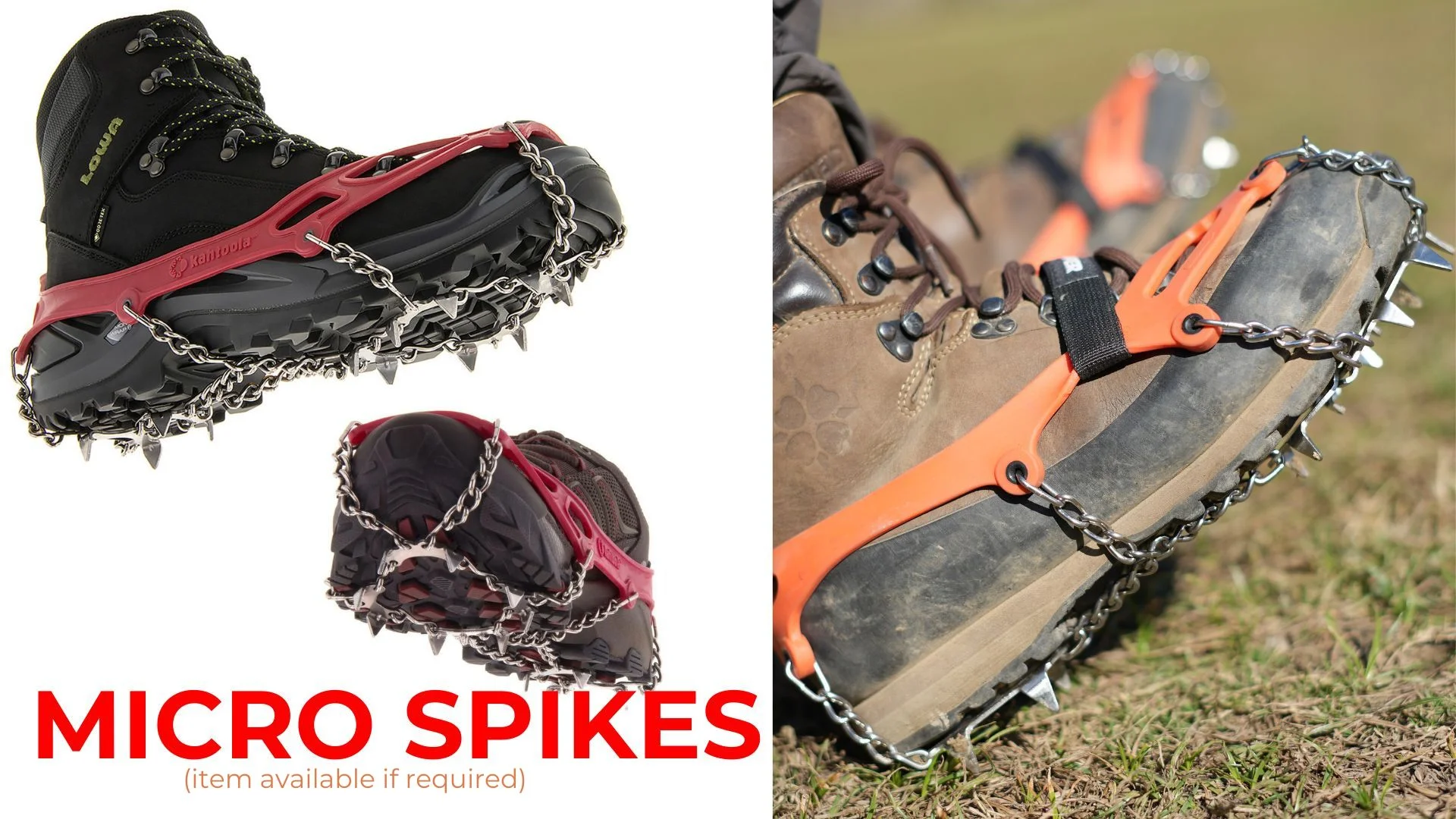
Micro spikes
1 Pair (NK provides when required)
Sunscreen
1 Nos
Moisturiser
1 Nos
Chap-stick / Lip balm
1 Nos
Toothbrush and toothpaste
1 Nos
Toilet paper & Wipes
1 Nos
Soap / hand sanitizers
1 Nos
Antibacterial powder
1 Nos
Quick dry towel
1 Nos
FAQs
Yes, trekkers need permits for the Everest Base Camp Trek. When you trek with NK Adventure, all necessary permits and documentation are arranged for you so that you can focus entirely on enjoying the trek.
Prior trekking experience is not mandatory but it is highly recommended. The trek involves long walking days at high altitude, so good physical fitness and some trekking experience can make the journey easier and more enjoyable.
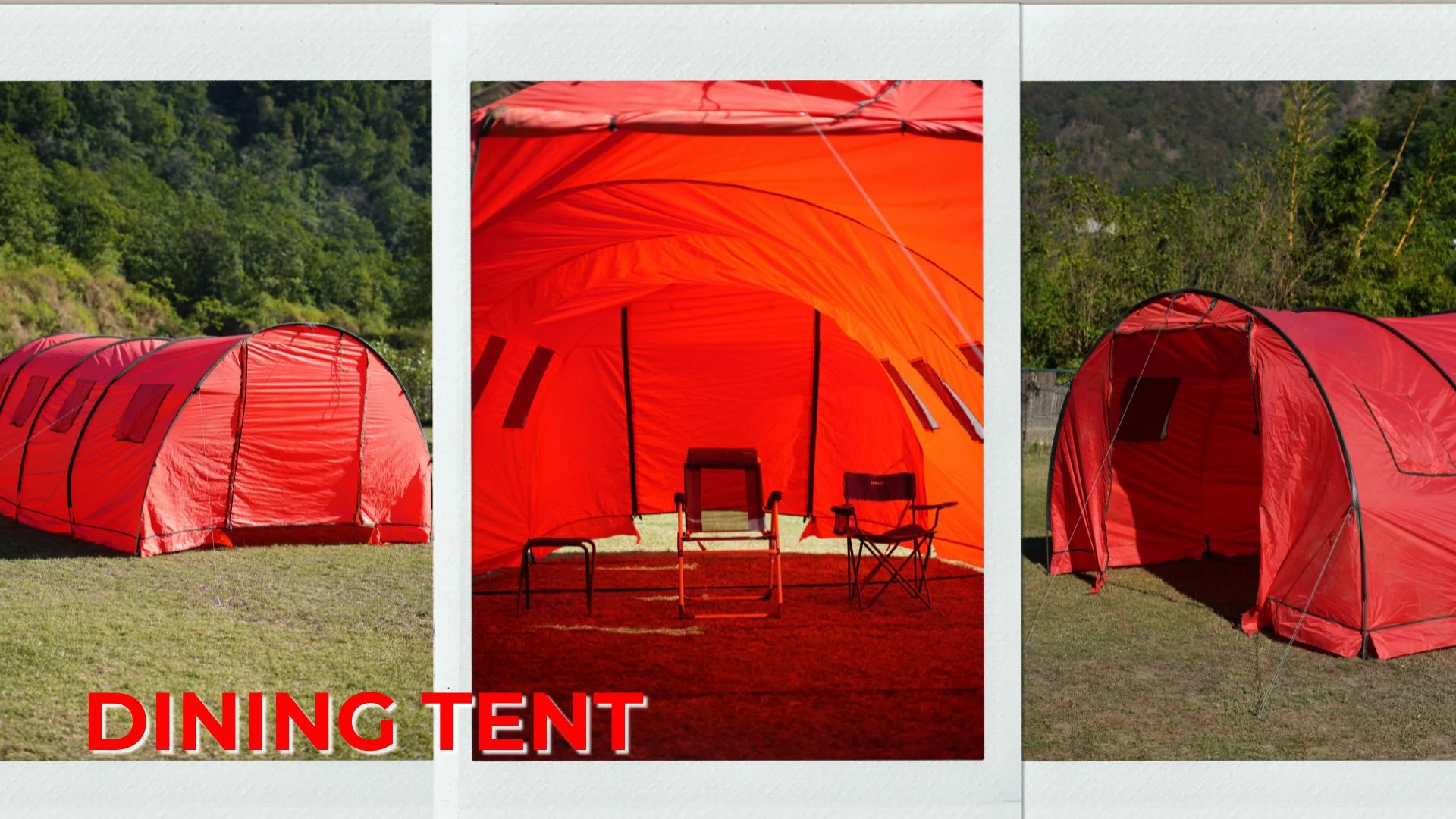
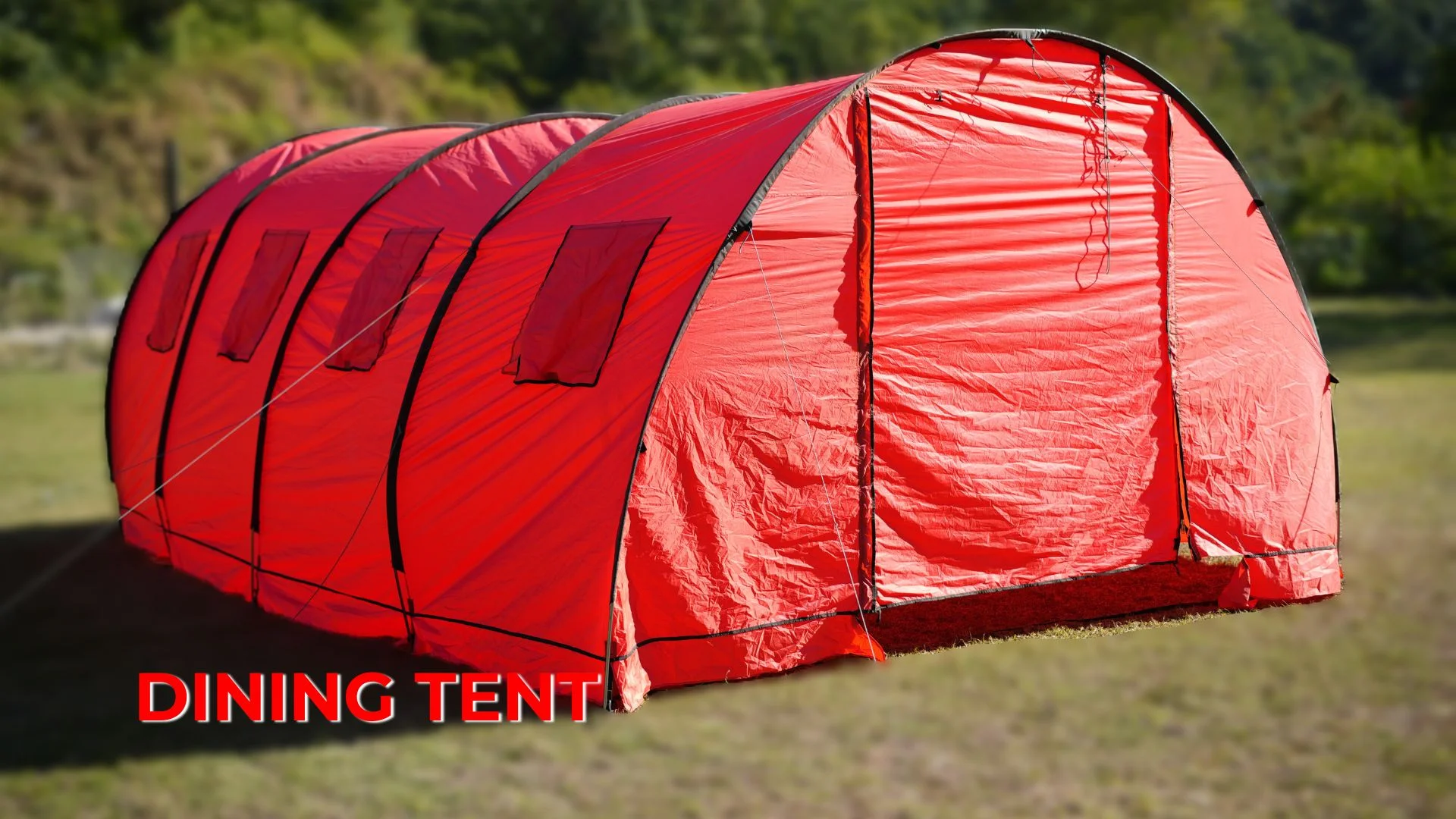
Accommodation during the Everest Base Camp Trek is usually in teahouses or mountain lodges. These lodges offer a comfortable place to rest while giving you the opportunity to experience the culture and hospitality of the Sherpa communities living in the Himalayas.
Weather at high altitudes can change quickly. Daytime temperatures during the trekking season may range from 10°C to 15°C, while nights can drop to 0°C or below. In higher camps temperatures can fall to around -7°C or lower.
Trekkers should carry proper warm clothing, layered outfits, insulated jackets, gloves, and good sleeping gear to stay comfortable in these cold conditions.
Preparation should include physical training, packing suitable trekking gear, obtaining permits, and allowing time for proper acclimatization. Regular cardio exercises, strength training, and endurance activities help prepare your body for high-altitude trekking.
Altitude sickness (AMS) can occur at high elevations. Proper acclimatization, staying hydrated, maintaining a steady pace, and listening to your body are essential. If you feel symptoms like headache, nausea, or dizziness, inform your trek leader immediately.
Maintain good physical fitness with cardio and strength exercises.
Allow proper acclimatization during the trek.
Carry warm clothing and waterproof gear.
Stay hydrated and maintain a balanced diet.
Carry sufficient cash as ATMs are limited in remote areas.
Be prepared for changing weather conditions.
Some of the most popular treks in Nepal include the Everest Base Camp Trek, Annapurna Base Camp Trek, Annapurna Circuit Trek, and Mera Peak Expedition. Each trek offers stunning Himalayan views and unique cultural experiences.
Yes, most teahouses offer charging facilities for electronic devices, although a small fee may be charged. Carrying a power bank is recommended as a backup.
Solo trekking is possible, but trekking with a guide or a group is recommended for safety, navigation, and assistance with permits and local regulations.
Yes, travel insurance is mandatory. Your insurance should cover high-altitude trekking (up to 6,000 meters), emergency helicopter evacuation, and medical expenses.
Trekkers are provided simple, nutritious meals during the trek. Popular food options include porridge, pancakes, toast, Dal Bhat, noodles, rice with curry, soups, and other local dishes.
The traditional Nepali Dal Bhat Thali is highly recommended as it is healthy, filling, and often comes with unlimited servings.
Yes, airport pickup and drop services are generally included in the trek package for convenience. Late arrivals may involve additional charges depending on the timing.
Yes, tipping is common in Nepal, especially in the trekking industry. Trekkers often tip guides and porters as a gesture of appreciation for their support during the trek.
Trekkers should keep their main backpack around 12 kg and a small daypack around 3 kg. Flights to Lukla generally allow around 15 kg of luggage per person, so packing light is recommended.
Yes, round-trip flights between Ramechhap and Lukla are usually included in the trek package. During peak seasons, Lukla flights operate from Ramechhap due to heavy traffic at Kathmandu Airport.
No, trekkers do not need to obtain permissions on their own. When trekking with NK Adventure, all required permits and paperwork are arranged by the team.
A No Objection Certificate (NOC) is generally required only for Indian trekkers traveling through a third country before or after the trek. If you travel directly from India and return to India, a NOC is usually not required.
Mobile network coverage is available up to Namche Bazaar with international roaming or a local Nepal Telecom or Ncell SIM. Wi-Fi and charging facilities may be available in teahouses but usually come with an extra charge.
The Everest Base Camp Trek is considered moderately difficult. Trekkers walk 5–8 hours daily over rocky trails at high altitude. The biggest challenge is the reduced oxygen level at higher elevations.
With good preparation, proper acclimatization, and steady pacing, most trekkers with good fitness can successfully reach Everest Base Camp.
Payment & Cancellation Policy:
When you have firmly decided to undertake the Tour with New Knight Adventure, you will need to book the trip with us. We must allocate enough time to prepare, obtain necessary documents and permits, and book hotels and Transport for the trip. 25% advance during the time of booking for confirmation 50% Amount one month prior of arrival in India 25% Amount to be one week prior of arrival in India
Cancellation Policy:
• If the cancellation is made 30 days before the tour starts, 25% of the full payment will be deducted and 75% will be refunded. • If the cancellation is made 20 days before the tour start, 35% of the full payment will be deducted and 65% will be refunded • If the cancellation is made 10 days before the tour start, 80% will be deducted and 20% will be refunded. • No refund is made if the trip is cancelled after the departure for Expedition. • No refund is made during the running tour. • The cost of travel permit or any other documentation charges will not be refundable
Note:New Knight Adventure do all the ground operations in advance (As soon as we received the confirmation request from the guest). We pay advance payment to all our vendors to ensure all the services that we promise with the guest.
HiHello 👋, welcome to NK Adventure (New Knight Adventure)