Trek Name: Kang Yatse 2 & Dzo Jongo East Peak Expedition with Markha Valley
Days: 13
Adventure Type: Trekking
Base Camp: Leh
Season:Monsoon |
Month:June | July | August | September |
Country: India
Altitude: 20500 Ft.
Grade: Challenging
Rail Head: –
Stay: Camping (Twin sharing)(Separate for male & Female) & Hotel/Guesthouse
Food: Meals while on trek
Location: Ladakh
Distance: 95 Km.
Trail Type: Cross over trail | Start in one valley, traverse the pass, and ends in another valley.
AirPort: Leh (Kushok Bakula Rimpochee)
Highlights:
Services Leh to Leh | Included Transport
1:2 Guide/Trekker Ratio on Summit Day for dzo-jongo and 1:1 for kang yatse-2
Who Can Participate
Age Requirement:
Minimum 18 years
Experience of at least two high-altitude trek (4,500m- 5,000m) is required. First-timers are advised to avoid this trek.
Fitness Criteria:
The trekker should have sufficient stamina to cover 6 km of distance by jogging in 30 minutes without stress or 10 km of distance in 60 minutes without stress
If the trekker prefers cycling he/she should be able to cycle 25 km of distance in 65 minutes.
Trekkers must be able to carry a 10-15 kg backpack, as off-load options are not recommended.
If a trekker’s BMI is more or less than the normal range (18-26), please consult our Trek Coordinator before booking.
Itinerary
Day-1: Arrival in Leh
Altitude: 3,500 m/11,500 ft.
Check-in Hotel.
Briefing about the trek at 5 pm (mandatory).
Bring a copy of your ID proof and 2 photographs. Foreigners need to bring copy of passport and visa.
Note:
The Twin Peak expedition is 13 days and touches an altitude of 20,500ft. If you are looking for less challenging adventure in Leh try out the Markha Valley Trek. You can go for either Kang Yatse II or Dzo Jongo Peak as well.
Day-2: Acclimatisation in Leh
Acclimatization and sightseeing in Leh.
Can visit monasteries: Shey, Thiksey, Sangam, and Hemis.
Day-3: Drive Leh to Skiu then trek to Sara
Altitude:
Skiu- 3,400 m/ 11,150 ft.
Sara- 3600 m/11800 ft.
Drive Distance: 75 km | 2-3 hrs.
Trek Distance: 4 – 5 km | 2 hrs.
Day-4: Sara To Markha
Altitude: Markha- 3,700 m/ 12,200 ft.
Trek Distance: 10 km | 5-6 hours
Day-5: Markha To Hankar
Altitude: 4,100m/ 13,400 ft.
Trek Distance: 13 km | 7-8 hrs
Day-6: Hankar To Nimaling
Altitude: 4,800 m/ 15,800 ft.
Trek Distance: 12 km | 7-8 hrs.
Day-7: Nimaling to Kangyatse II Base Camp
Altitude: Kangyatse II Base Camp – 5,100 m/ 16,700 ft.
Trek Distance: 4-5 km | 4-5 hrs.
Day-8: Rest And Training Day
The TTH team will issue you the technical equipment.
Learn how to use technical equipment.
Briefing and planning for the summit.
Push for the summit at 11 pm.
Day-9: Summit To Kang Yatse II And Back To Base Camp
Altitude: 6,250 m/ 20,500 ft.
Trek Distance: 6 – 7 km (one way) | 11-12 hrs.
Day-10: Kang Yatse II Base Camp to Dzo Jongo East Base Camp
Altitude: Dzo Jongo Base Camp – 5,200 m/ 17,100 ft.
Trek Distance: 6 km | 4 hours.
Day-11: Rest Day + Training Day (Summit Night)
Learn how to use technical equipment.
Briefing and planning for the summit.
Don’t exhaust your body, take rest as much as you can.
Day-12: Summit(Dzo Jongo East) and Dzo Jongo East Base Camp
Altitude: 6,250 m/ 20,500 ft.
Trek Distance: 14km (Both way) | 11-12 hrs.
Day-13: Base Camp to Chokdo via Kongmaru La & drive to Leh
Altitude: Kongmaru La: 5200 m/ 17300 ft | Chokdo: 3900 m/ 12900 ft.
Trek Distance: 16 km | 7 – 8 hrs.
Drive Distance: 60 km | 3 hrs .
Note:
Keep a buffer day in your travel plan.
If buffer day is not used in the travel then it can be used to Explore Leh.
Distance, Altitude, and Trekking hours are approximate and rounded off.
Keep the original and copy of ID proof handy.
Come one day early if planning to come by flight.
Day 1: Arrival in Leh
Altitude: 3,500 m / 11,500 ft
Check-in hotel
Briefing about the trek at 5 PM (mandatory)
Bring a copy of your ID proof and 2 photographs
Foreigners need a copy of passport and visa
Network available (post-paid only)
ATM available
Purchase or rent trekking equipment from Leh
Avoid visiting very high-altitude places or passes
Alcohol and smoking strictly prohibited
The Twin Peak Expedition begins from Leh. After arrival, our representatives will receive you at Leh Airport and transfer you to the hotel. Leh is already located at a high altitude, so this day is reserved for rest and acclimatization.
Use the day to relax, explore Leh market, or rent trekking gear if needed. Avoid alcohol and smoking and keep physical activity minimal to help your body adjust to the altitude.
Day 2: Acclimatisation in Leh
Acclimatization and sightseeing in Leh
Visit monasteries like Shey, Thiksey, Sangam, and Hemis
Avoid river rafting until after the trek
Avoid visiting higher altitude passes
Stay in hotel
This extra day helps your body adapt to high-altitude conditions. Spend time outdoors but avoid gaining elevation.
You may visit Shey Palace, Thiksey Monastery, and local markets. Spend the evening at Shanti Stupa and enjoy Leh's cultural environment before the trekking journey begins.
Day 3: Drive Leh to Skiu then Trek to Sara
Skiu Altitude: 3,400 m / 11,150 ft
Sara Altitude: 3,600 m / 11,800 ft
Drive Distance: 75 km | 2–3 hrs
Trek Distance: 4–5 km | 2 hrs
Accommodation: Tent
The drive from Leh passes through iconic landmarks like Gurudwara Pathar Sahib, Magnetic Hill, and the confluence of the Indus and Zanskar rivers.
After reaching Skiu, begin trekking through the scenic Markha Valley. The trail follows the Markha River and passes through fields, mani walls, and traditional Ladakhi settlements before reaching Sara village.
Day 4: Sara to Markha
Altitude: 3,700 m / 12,200 ft
Trek Distance: 10 km | 5–6 hrs
Accommodation: Tent
The trek continues through barren landscapes and small villages like Chalak. Tea houses and small farms appear along the trail.
After crossing streams of the Markha River, reach Markha village, the largest settlement in the valley. Visit the monastery and ruins of Markha Fort before camping for the night.
Day 5: Markha to Hankar
Altitude: 4,100 m / 13,400 ft
Trek Distance: 13 km | 7–8 hrs
Altitude Gain: 400 m
Teahouse at Umling village
Last village of the valley
View of Kang Yatse Peak
Today’s trek follows the Markha River through beautiful mountain landscapes. The route crosses streams multiple times and passes the small village of Umling.
From here, you get your first view of Kang Yatse Peak. Continue trekking to Hankar village, where you will camp for the night.
Day 6: Hankar to Nimaling
Altitude: 4,800 m / 15,800 ft
Trek Distance: 12 km | 7–8 hrs
Altitude Gain: 700 m
The trail gradually climbs towards the high-altitude pastures of Nimaling. Along the way, you will see stunning views of Kang Yatse Peak and the twin Tigu Lakes.
Nimaling is a large alpine meadow where shepherds graze their livestock. This scenic campsite offers spectacular views of surrounding peaks.
Day 7: Nimaling to Kang Yatse II Base Camp
Altitude: 5,100 m / 16,700 ft
Trek Distance: 4–5 km | 4–5 hrs
Altitude Gain: 300 m
The trek today is short but involves climbing through loose rocks before descending toward the base of Kang Yatse II.
Spend the evening acclimatizing, exploring nearby areas, and preparing for the summit training ahead.
Day 8: Rest and Training Day
Training on technical equipment
Practice using crampons, ice axe, and climbing gear
Preparation for summit attempt
This day is dedicated to training and acclimatization. Guides will demonstrate the use of mountaineering equipment and techniques needed for the summit climb.
Rest well and prepare for the upcoming summit attempt.
Day 9: Summit Kang Yatse II and Return to Base Camp
Altitude: 6,250 m / 20,500 ft
Trek Distance: 6–7 km one way | 11–12 hrs
The summit push begins at midnight. The route passes through moraine and scree slopes before reaching the summit ridge.
From the summit, enjoy breathtaking views of the Zanskar range, Karakoram peaks, and distant Tibetan mountains before descending back to base camp.
Day 10: Kang Yatse II Base Camp to Dzo Jongo East Base Camp
Altitude: 5,200 m / 17,100 ft
Trek Distance: 6 km | 4 hrs
Altitude Gain: 100 m
Today the trek shifts focus to the second summit of the expedition. Walk through rugged high-altitude terrain towards the base camp of Dzo Jongo East.
Day 11: Rest Day and Training (Summit Night)
Technical training and gear check
Preparation for summit
Summit push begins around 10 PM
This day is reserved for rest and final preparation before attempting the summit of Dzo Jongo East.
Day 12: Summit Dzo Jongo East and Return to Base Camp
Altitude: 6,250 m / 20,500 ft
Trek Distance: 14 km round trip | 11–12 hrs
The summit climb begins at night and reaches the peak around sunrise. The route passes through steep snow slopes and glacier terrain.
After enjoying the views from the summit, descend carefully back to base camp.
Day 13: Base Camp to Chokdo via Kongmaru La and Drive to Leh
Kongmaru La: 5,200 m / 17,300 ft
Chokdo: 3,900 m / 12,900 ft
Trek Distance: 16 km | 7–8 hrs
Drive Distance: 60 km
The final day includes crossing Kongmaru La Pass before descending into the Indus Valley. From Chokdo village, drive back to Leh, marking the end of this incredible twin-peak expedition.
Trek Essentials
Backpack with rain cover
(50 – 60 ltr) with comfortable shoulder straps
Day pack with rain cover
20 – 30 ltr (If off-load opted)
Walking stick
Advisable (At least one)
Water Bottle / Hydration pack
2 bottles of one liter each, People who use hydration pack 1 hydration pack and 1 bottle of one liter, Carry at least one thermos flask.
Small size tiffin/lunch box
1 Nos
Snacks
Energy bars, dry fruits, electral/ors
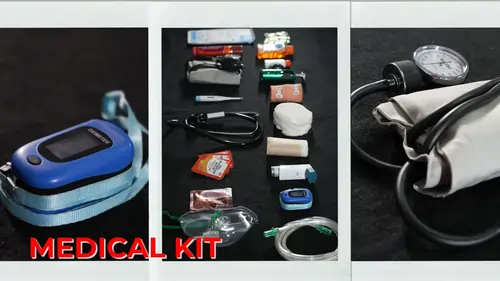
Personal Medical Kit
Consult your doctor
T-Shirt (Synthetic quick dry)
1 Full & 2 Half sleeves
Fleece T-shirt
1 Nos
Fleece jacket
1 Nos
Windproof Jacket
1 Nos
Down feather / Hollow jacket
1 Nos
Thermal inner (Upper and Lower)
1 Pair
Trek Pant (Synthetic quick dry)
2 Nos
Fleece Pant
1 Nos
Waterproof gloves
1 Pair
Fleece / woollen gloves
1 Pair
Poncho / waterproof Jacket and pant
1 Nos
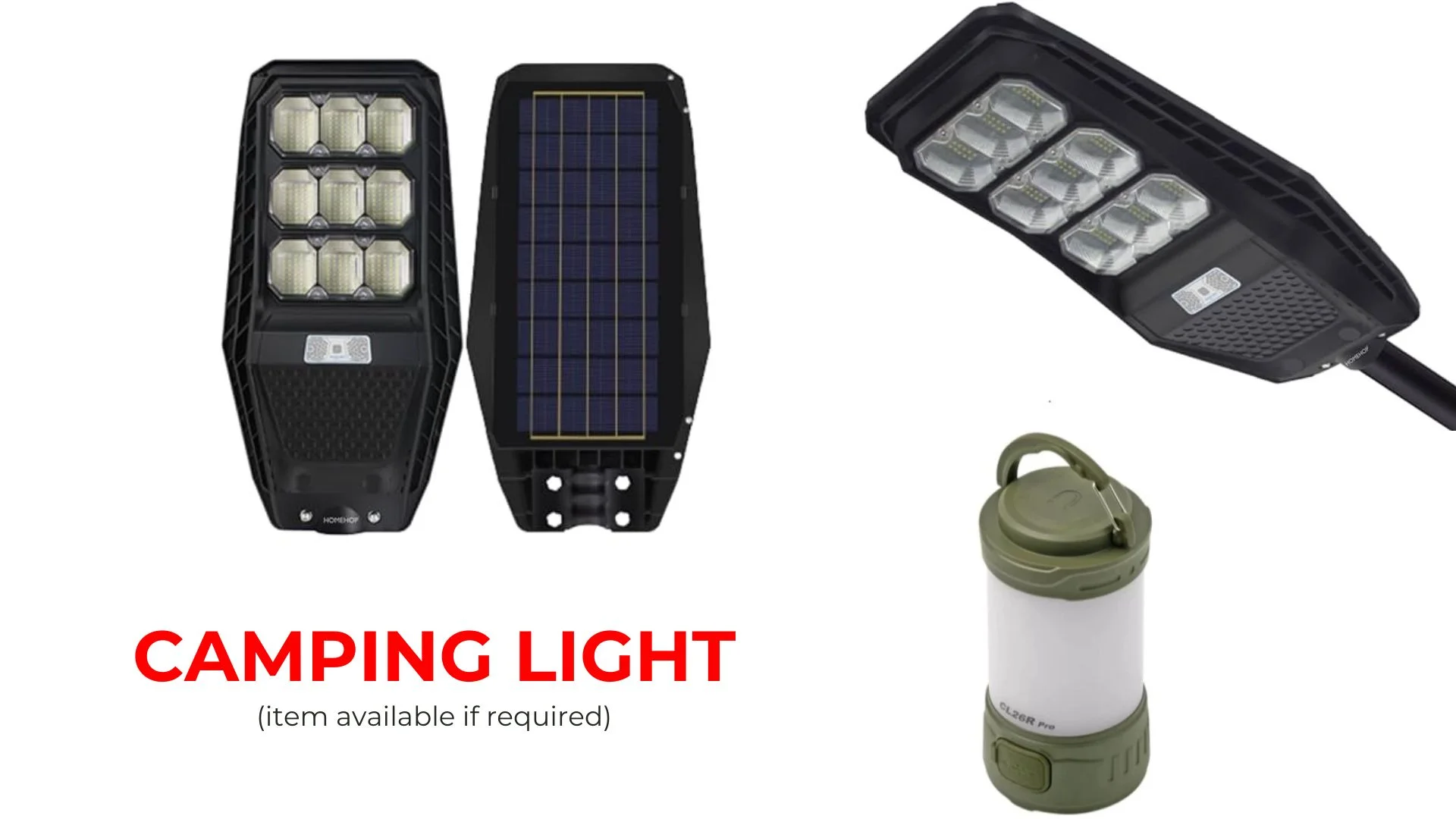
Head torch
1 Nos. (Avoid Hand torch)
Sun Cap
1 Nos
Woolen cap
1 Nos.
Balaclava
1 Nos.
Buff / Neck-gaiters
1 Synthetic & 1 Woollen
Sunglasses
UV with dark side cover, People who wear spectacles – (A)- Use contact lenses | (B)- Photo chromatic glasses
Trekking shoes
1 Pair (Water-resistant, high ankle, good grip)
Floaters / flip-flops
1 Pair
Cotton socks
6 pairs
Woollen socks
1 pairs
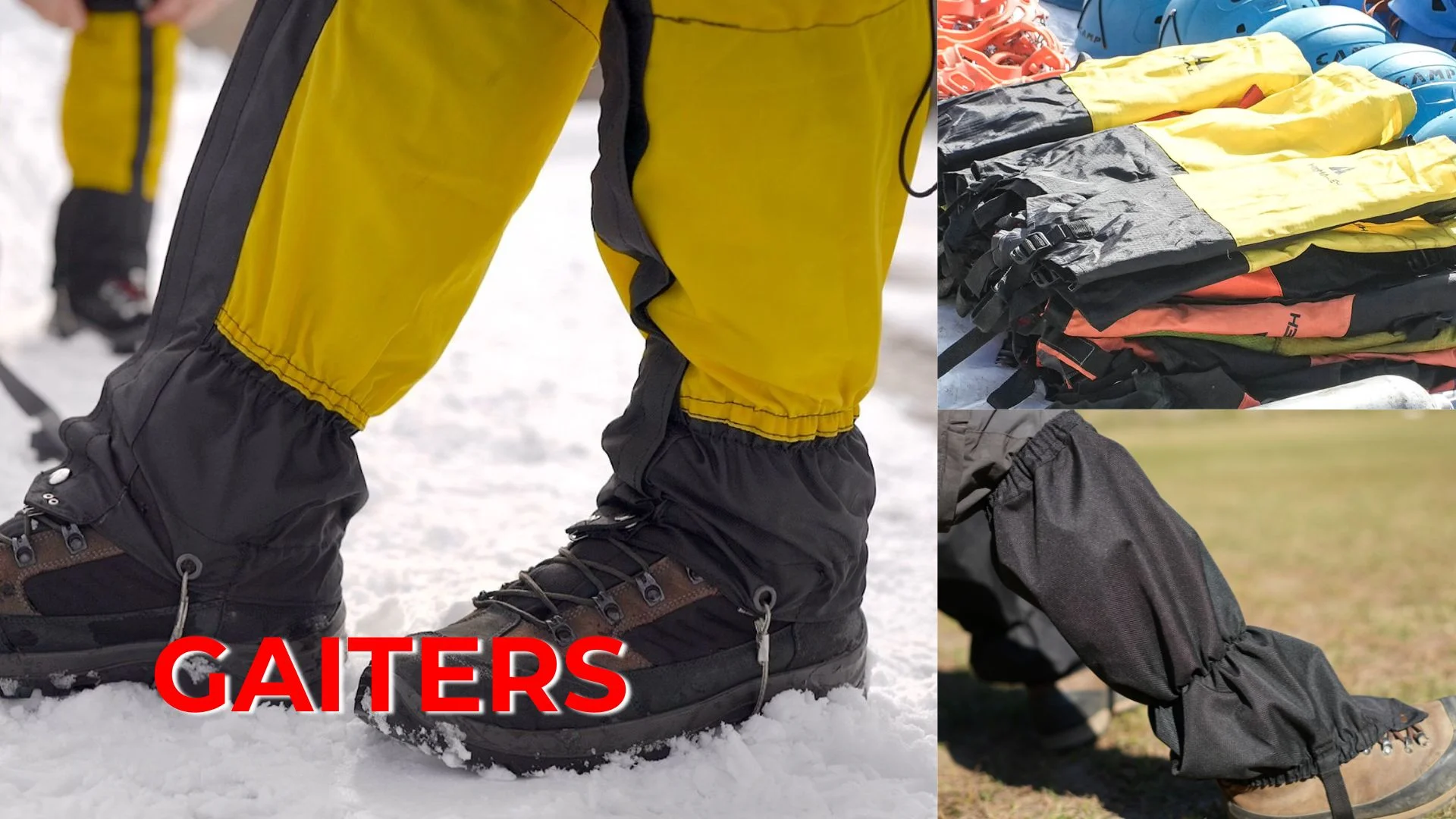
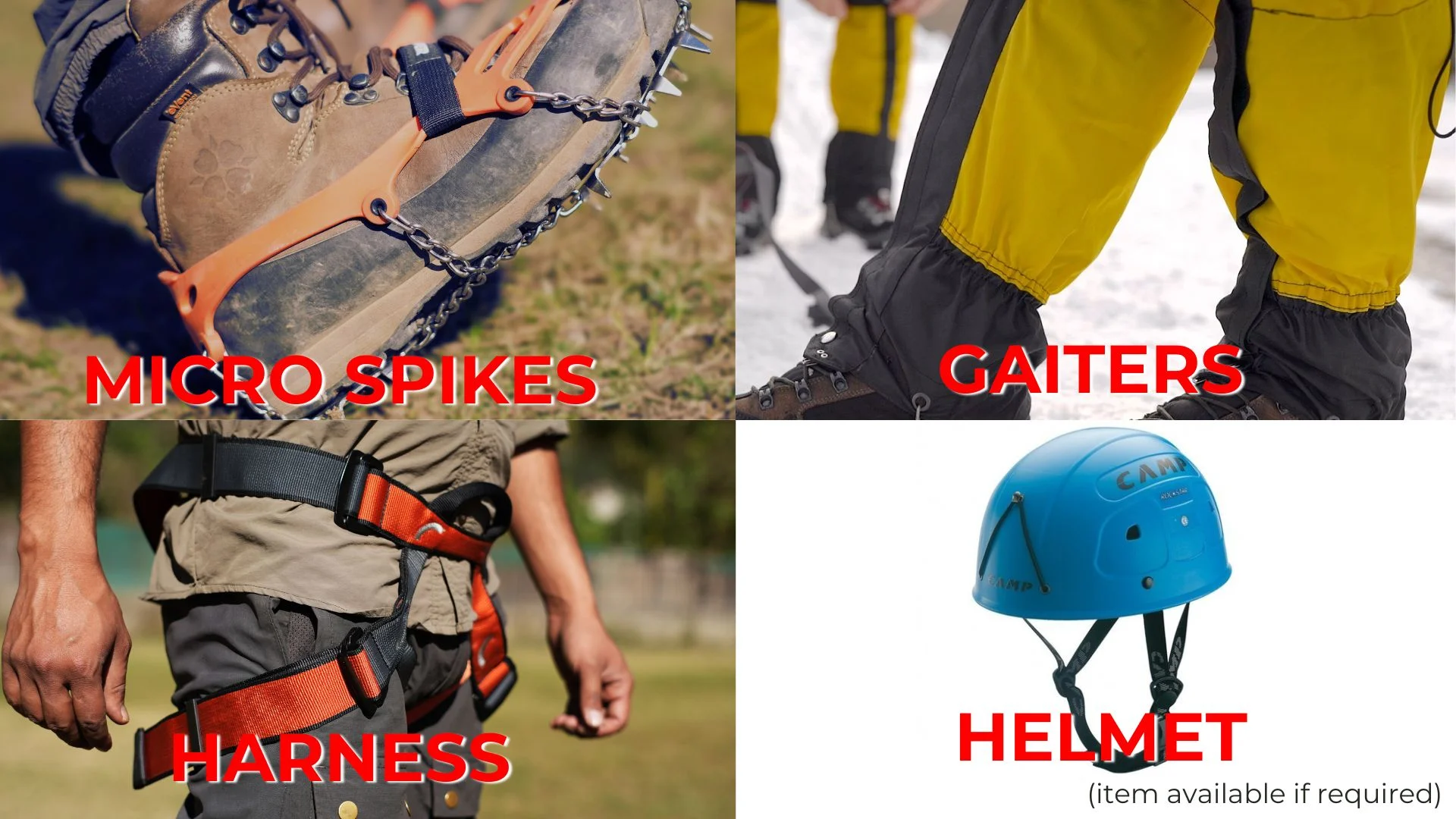
Gaiters
1 Pair (NK provides when required)
Micro spikes
1 Pair (NK provides when required)
Sunscreen
1 Nos
Moisturiser
1 Nos
Chap-stick / Lip balm
1 Nos
Toothbrush and toothpaste
1 Nos
Toilet paper & Wipes
1 Nos
Soap / hand sanitizers
1 Nos
Antibacterial powder
1 Nos
Quick dry towel
1 Nos
FAQs
The trek is considered challenging and is best suited for experienced trekkers. The route includes long trekking hours, high-altitude climbs, and glacier crossings. Both Kang Yatse II and Dzo Jongo peaks require basic mountaineering skills and the use of equipment like crampons and ice axes. Since the altitude exceeds 5,000 meters, acclimatization and good physical fitness are essential.
The complete trek usually takes around 13 days, including acclimatization and rest days. The journey starts from Leh and gradually gains altitude through several camps before the summit attempts.
Yes, prior high-altitude trekking experience is recommended. Trekkers should ideally have completed at least two treks above 4,500–5,000 meters before attempting these peaks.
Yes, a storeroom facility is usually available in Leh where trekkers can leave extra luggage before starting the expedition.
Yes, mule and porter services are available to carry heavy backpacks and equipment so trekkers can walk comfortably with only a daypack.
The maximum altitude reached during the expedition is approximately 20,500 ft, which is the summit height of the peaks.
Yes, acclimatization days are included to help trekkers adjust to the high altitude and reduce the risk of altitude sickness.
You should have good cardiovascular endurance and stamina. Being able to jog 6 km in 30 minutes or hike long distances comfortably is recommended.
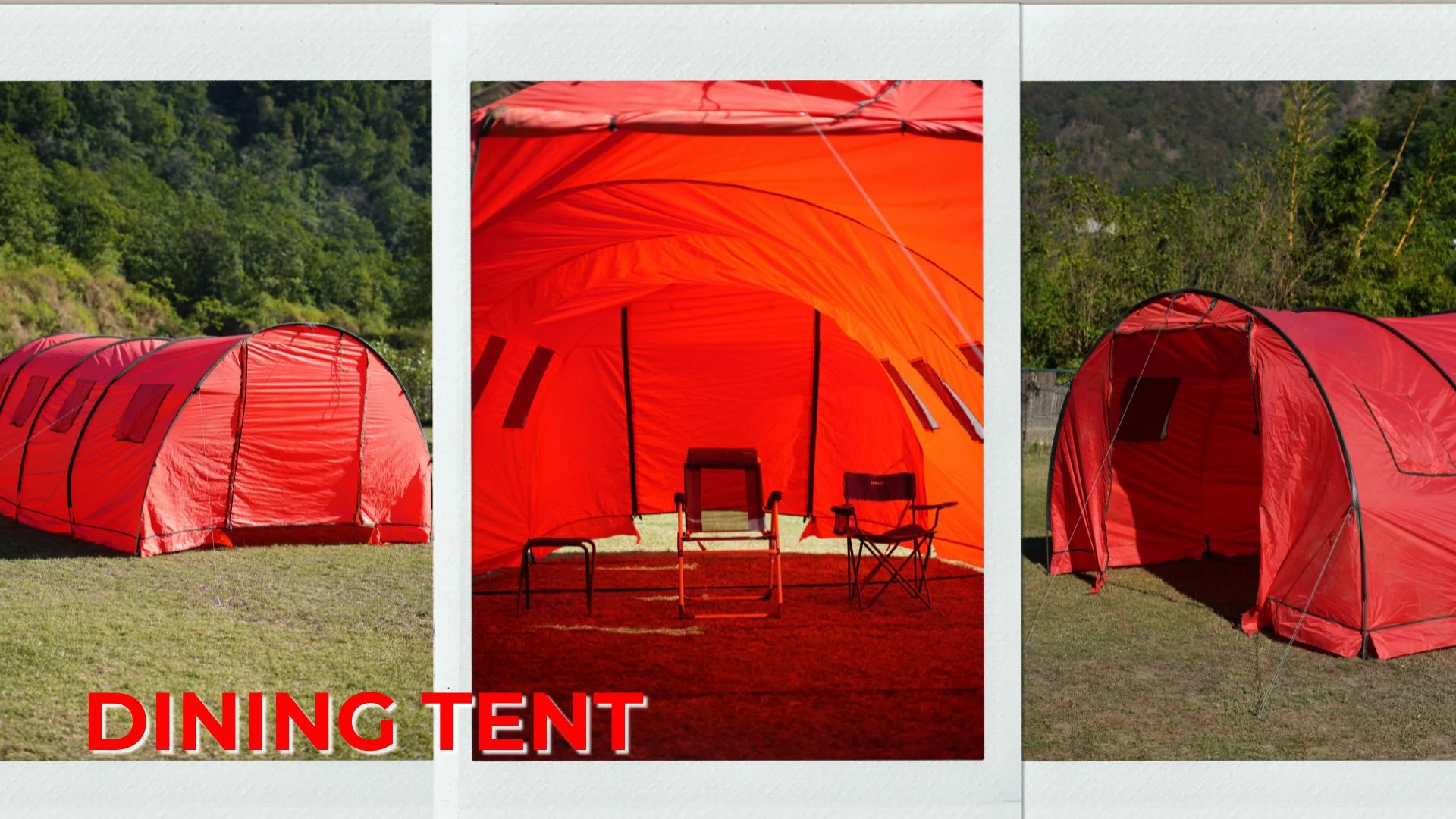
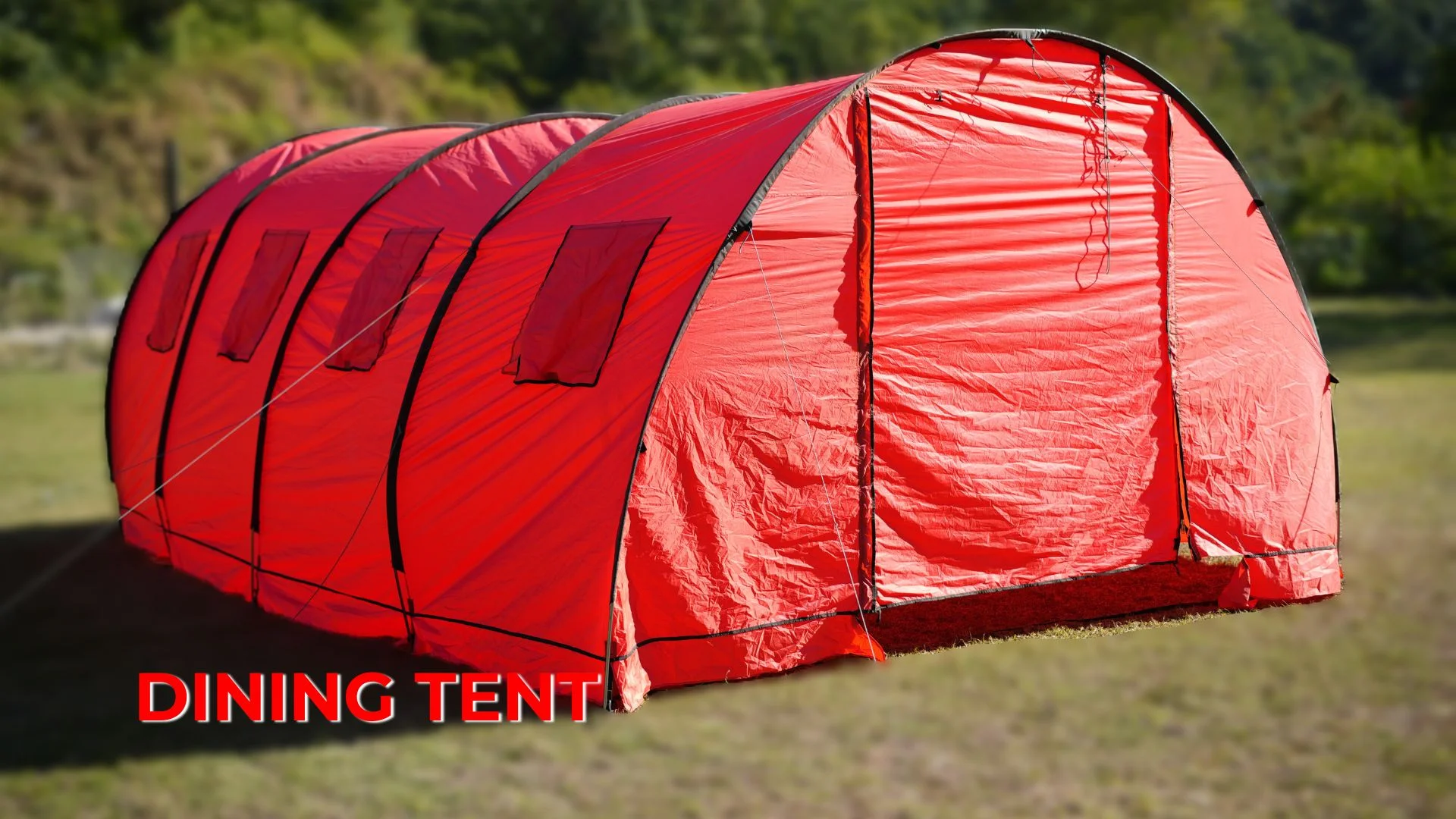
Accommodation includes hotels in Leh and tents at high-altitude campsites during the trek. In some villages, trekkers may stay in basic homestays or teahouses.
Mountaineering boots
Crampons
Ice axe
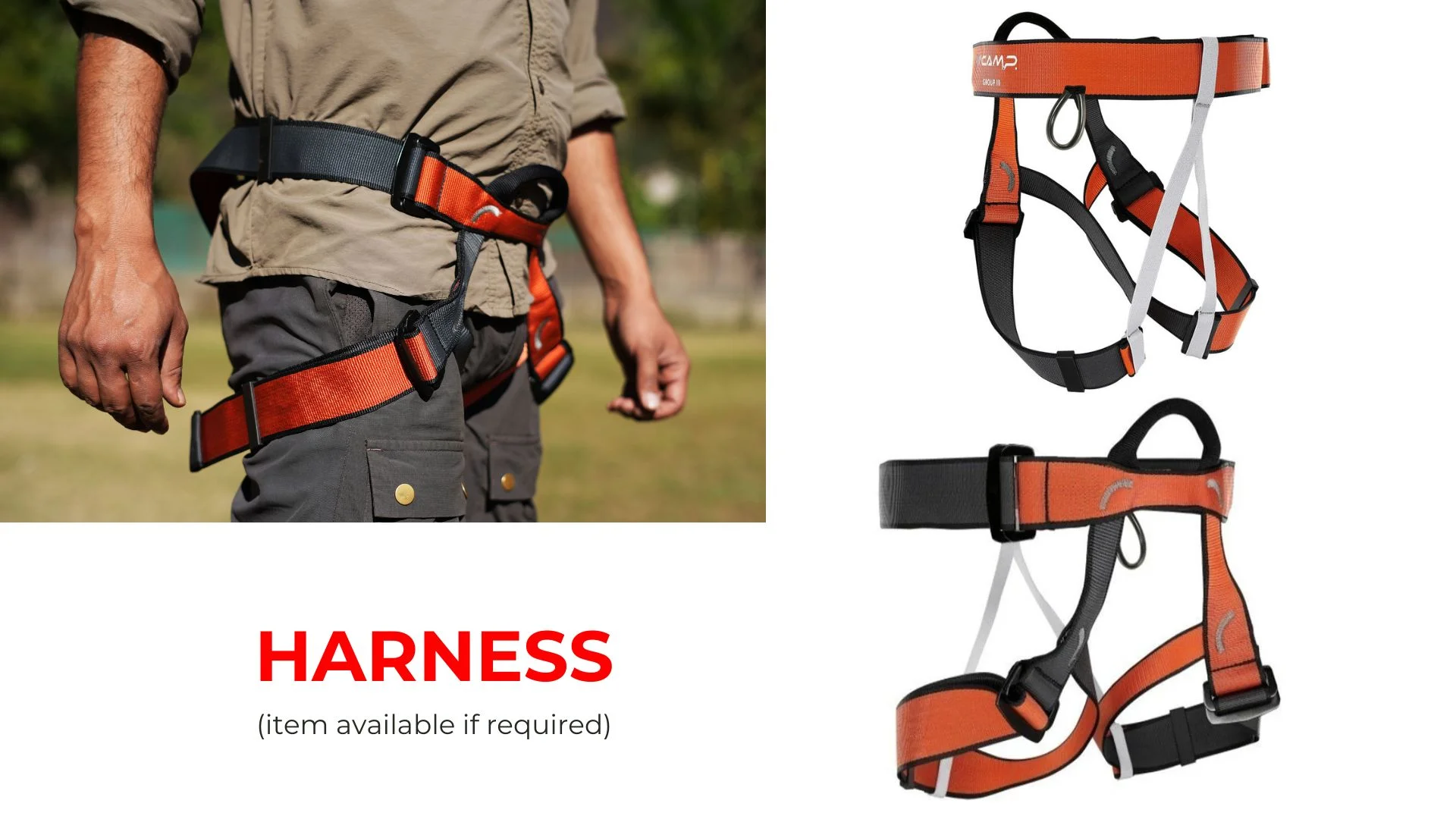
Climbing harness
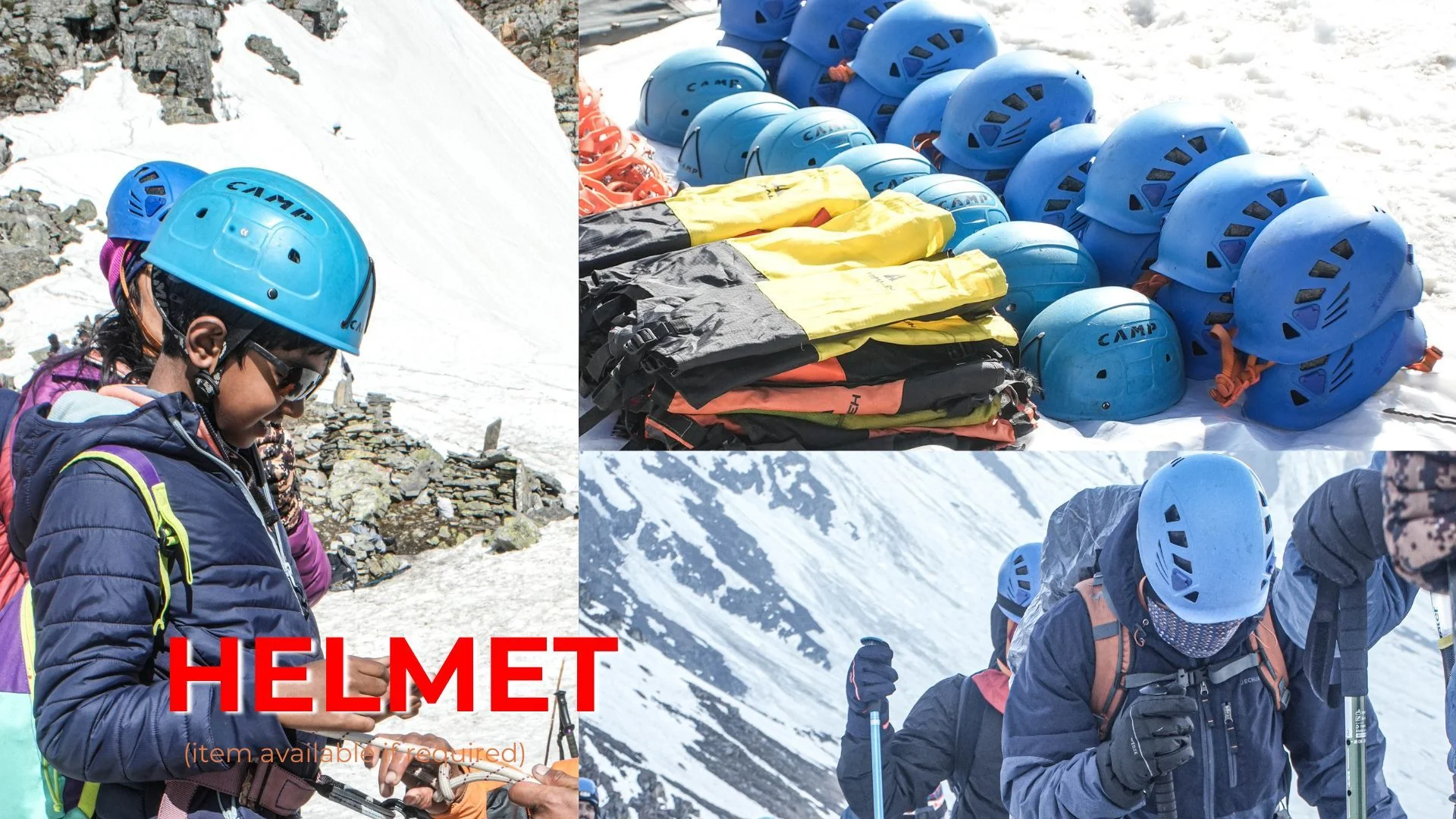
Helmet
Warm clothing and waterproof layers
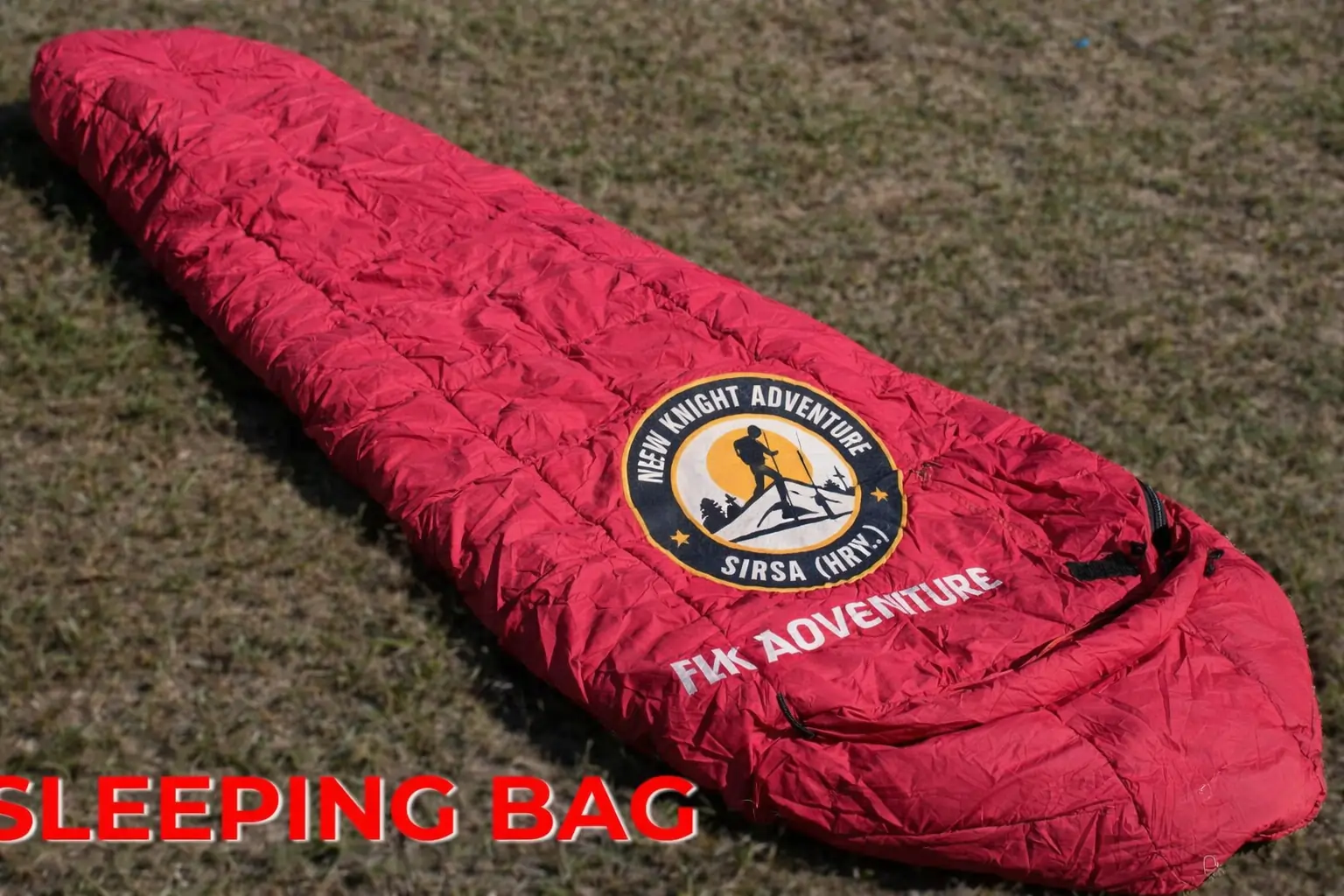
Sleeping bag
Backpack
Sunglasses
Gloves
Headlamp
The package generally includes accommodation, meals during the trek, transportation to the base location, camping equipment, medical support, and guidance from experienced trek leaders and support staff.
The easiest way to reach Leh is by flight from major cities such as Delhi, Mumbai, or Srinagar. Travelers can also reach Leh by road via the Manali–Leh or Srinagar–Leh highways during the summer months.
Yes, the trek is safe when done with an experienced trekking organization and trained guides. Proper acclimatization, pacing, and following safety instructions are essential.
No, this twin-peak expedition is not recommended for beginners. Prior high-altitude trekking experience is necessary.
The last reliable ATM is located in Leh. After leaving Leh, there are no ATM facilities along the trekking route.
No, electricity and charging facilities are not available during most parts of the trek. Trekkers should carry power banks and spare batteries.
Markha Valley Trek
Kang Yatse II
Dzo Jongo Peak Trek
Chadar Trek
Stok Kangri
Yes, altitude sickness is possible because the trek reaches above 20,000 ft. Proper acclimatization, hydration, and gradual ascent help reduce the risk.
Lower regions may have daytime temperatures around 13–15°C, while higher camps and summit areas can drop below freezing, sometimes reaching -10°C or lower.
No significant wildlife threats are usually encountered. The trekking routes are commonly used and considered safe.
Only postpaid SIM cards generally work in Ladakh. BSNL, Airtel, and Jio postpaid connections offer the best coverage in Leh and nearby areas.
Payment & Cancellation Policy:
When you have firmly decided to undertake the Tour with New Knight Adventure, you will need to book the trip with us. We must allocate enough time to prepare, obtain necessary documents and permits, and book hotels and Transport for the trip. 25% advance during the time of booking for confirmation 50% Amount one month prior of arrival in India 25% Amount to be one week prior of arrival in India
Cancellation Policy:
• If the cancellation is made 30 days before the tour starts, 25% of the full payment will be deducted and 75% will be refunded. • If the cancellation is made 20 days before the tour start, 35% of the full payment will be deducted and 65% will be refunded • If the cancellation is made 10 days before the tour start, 80% will be deducted and 20% will be refunded. • No refund is made if the trip is cancelled after the departure for Expedition. • No refund is made during the running tour. • The cost of travel permit or any other documentation charges will not be refundable
Note:New Knight Adventure do all the ground operations in advance (As soon as we received the confirmation request from the guest). We pay advance payment to all our vendors to ensure all the services that we promise with the guest.
HiHello 👋, welcome to NK Adventure (New Knight Adventure)