Mount Kilimanjaro Trek

Himalayan Trekking

Difficult

Mount Kilimanjaro Trek


Max Altitude
 9 Days
 66 Km
 Tanzania
 Africa
 

Overview

Trek Name: Mount Kilimanjaro Trek

Days: 9

Adventure Type: Trekking

Base Camp: Moshi

Season:Spring | Summer | Monsoon | Autumn | Winter |

Month:January | August | October |

Country: Tanzania | Africa

Altitude: 19350 Ft.

Grade: Moderate to Difficult

Rail Head: –

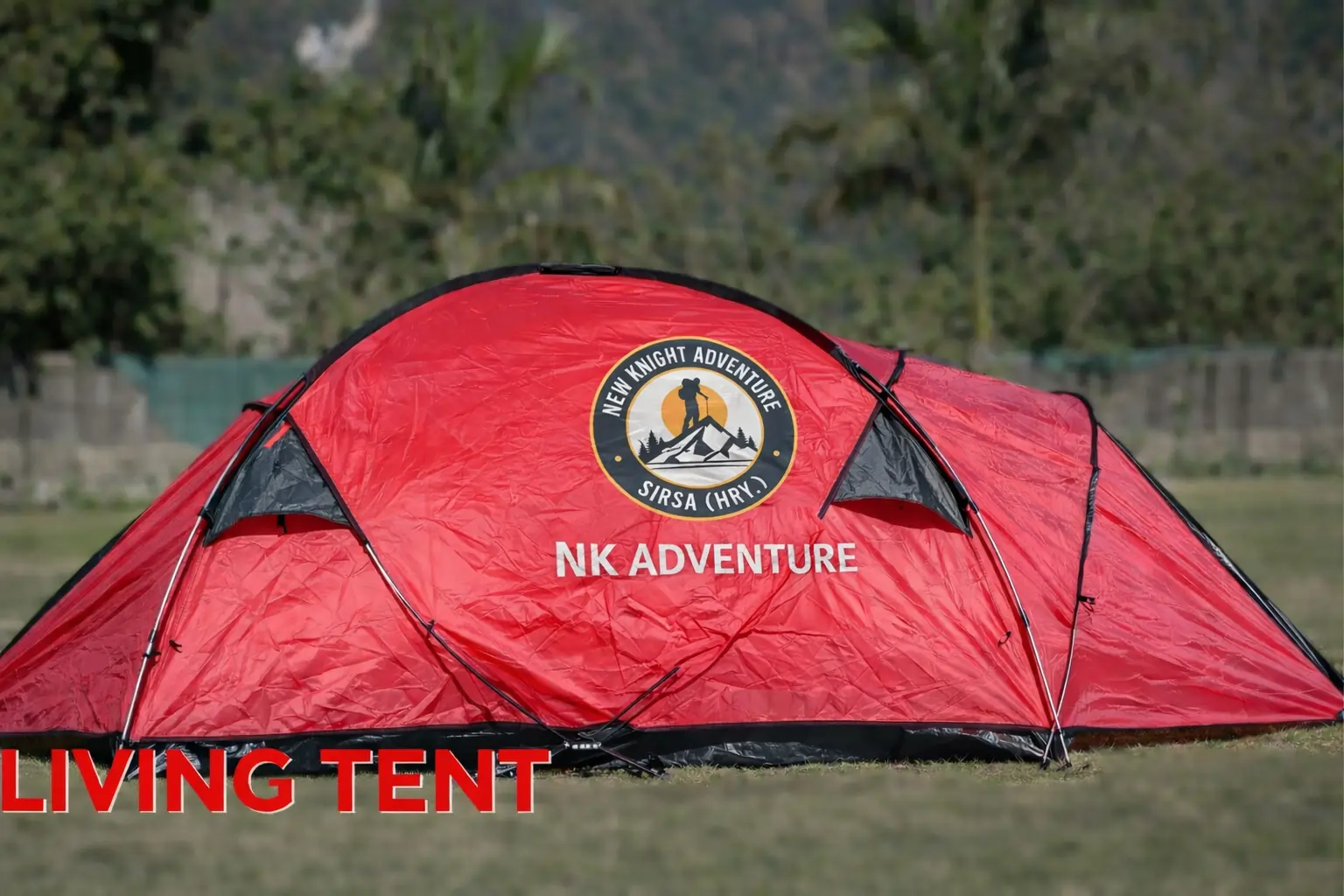
Stay: Camping & Hotel/Guesthouse (Twin sharing)

Location: Tanzania

Distance: 66 Km.

Trail Type: Summit, Point to point | Scale a peak, Camping at the same location upon returning.

AirPort: Kilimanjaro International Airport

Highlights:

  • Services from Kilimanjaro International Airport to the Airport. 
  • 1:1 ratio of guides to trekkers on the summit day.
  • Included a porter to carry personal luggage up to 15 kg.

Who Can Participate

  • Age Requirement:
    • April to November: 14 years.
    • December to March: 16 years.
  • First-timers are welcome, though prior trekking experience is preferred. Good fitness is a must.
  • Fitness Criteria:
    • The Trekker should have sufficient stamina to cover 5 km of distance by jogging in 30 minutes without stress or 10 km of distance in 70 minutes without stress
    • If the trekker prefers cycling he/ she should be able to cycle 18 km of distance in 50 minutes.
  • If the trekker wants to carry a backpack then he/she should be able to carry a 10-12 kg backpack. If opt Off-load option then the trekker should be able to carry 3-5 kg backpack.
  • If a trekker’s BMI is more or less than the normal range (18-27), please consult our Trek Coordinator before booking.
  •  

Itinerary

Day-1: Kilimanjaro International Airport To Moshi

  • Arrive at Kilimanjaro Airport.
  • Stay at a Resort in Moshi.
  • Altitude (Moshi): 800 m.
  • Airport to Moshi 42 km | 1 hours.
  • Pre-climb briefing and equipment check in the evening.
  • Explore the city or relax today.

Day-2: Drive to Machame Gate and trek to Machame camp

  • Drive distance(Moshi to Machame gate): 31km.
  •  Drive time: 1 hr.
  • Altitude (Machame gate):1,800 m,(Machame Camp): 3000 m.
  • Trek Distance: 11 km.
  • Hiking Time: 5 – 6 hrs.
  • Elevation Gain: 1,200 m
  • Habitat: Montane Forest.
  • Accommodation: Machame camp.

Day-3: Machame Camp to Shira Camp

  • Altitude(Machame Camp): 3000 m, (Shira Camp): 3,800 m.
  • Trek Distance: 5-6 km.
  • Trek Time: 4-5 hrs.
  • Elevation Gain: 800 m
  • Habitat: Moorland.
  • Full Board Shira Cave Camp.

Day-4: Shira Camp To Barranco Camp Via Lava Tower Camp

  • Shira Cave Camp (3,800 m) to Barranco Camp (3,900 m) via Lower Tower Camp (4,600 m).
  • Trek Distance: 10 km.
  • Trek Time: 5-6 hrs.
  • Elevation Gain: 100 m
  • Habitat: Moorland.
  • Accommodation: Barranco Camp.

Day-5: Barranco Camp To Karanga Camp

  • Barranco Camp (3,900 m) to Karanga Camp (4,000 m).
  • Trek Distance: 6 km.
  • Trek Time: 5-4 hrs.
  • Elevation Gain: 100 m
  • Habitat: Moorland.
  • Accommodation: Karanga Camp.

Day-6: Karanga Camp To Barafu Camp

  • Karanga Camp (4,000 m) to Barafu Camp (4,700 m).
  • Trek Distance: 4 km.
  • Trek Time: 3-4 hrs.
  • Elevation Gain: 700 m
  • Habitat: Alpine Desert.
  • Accommodation: Barafu Hut Camp.

Day-7: Barafu Camp to Summit to Uhuru Peak and Trek back to Barafu then to Millennium Camp

  • Total Trek distance: 16 km.
  • Barafu Camp (4,700 m) – Stella Point (5,800 m)
    Trek Distance: 4 km
    Elevation Gain: 1,100 m
    A steep, rocky slope with loose scree, climbed at midnight.
  • Stella Point (5,800 m) – Uhuru Peak (5,900 m)
    Trek Distance: 1 km
    Elevation Gain: 100 m 
    Witness the breathtaking sunrise from the roof of Africa.
  • Uhuru Peak (5,900 m) – Millennium Camp (4,000 m) via Barafu Camp
    Trek Distance: 11 km
    Elevation Loss: 1900m 
  • Accommodation: Millennium Camp.

Day-8: Millenium Camp To Mweka Gate (1700 m) and Drive to Moshi

  • Trek Distance: 13 km.
  • Trek Time 5hrs.
  • Drive Distance 25km.
  • Drive Time 1 hrs.
  • Descend through the rainforest to Mweka Gate Receive your well-earned certificates.
  • Drive back to Moshi for celebration and relaxation.

Day-9: Departure Day

  • Transfer from Moshi to Kilimanjaro International Airport.
  • Depart with incredible memories and a sense of accomplishment.

Day 1: Arrival at Kilimanjaro Airport and Transfer to Moshi

  • Altitude: 800 m
  • Distance: 42 km | 1 hr
  • Stay at resort in Moshi
  • Evening pre-climb briefing and gear check

After arriving at Kilimanjaro International Airport, you will meet the expedition representative who will transfer you to your hotel in Moshi. In the evening there will be a briefing session about the trek, equipment check and preparation for the climb.

Day 2: Drive to Machame Gate and Trek to Machame Camp

  • Machame Gate: 1,800 m
  • Machame Camp: 3,000 m
  • Trek Distance: 11 km | 5–6 hrs

Drive from Moshi to Machame Gate and begin your Kilimanjaro trek through dense montane forests. The trail winds through beautiful vegetation and moss-covered trees before reaching Machame Camp.

Day 3: Machame Camp to Shira Camp

  • Altitude: 3,800 m
  • Trek Distance: 5–6 km | 4–5 hrs

The trail climbs steeply across rocky ridges and heathland vegetation. Along the way you may see giant groundsels and impressive views of the Shira Plateau before reaching Shira Camp.

Day 4: Shira Camp to Barranco Camp via Lava Tower

  • Lava Tower: 4,600 m
  • Barranco Camp: 3,900 m
  • Trek Distance: 10 km | 5–6 hrs

Today is an important acclimatization day as you climb higher to Lava Tower and then descend to Barranco Camp. The landscape becomes rocky and volcanic with dramatic views of the mountain.

Day 5: Barranco Camp to Karanga Camp

  • Altitude: 4,000 m
  • Trek Distance: 6 km | 4–5 hrs

Begin the day by climbing the famous Barranco Wall, followed by a scenic walk through valleys and ridges. Reach Karanga Camp and spend the afternoon resting and acclimatizing.

Day 6: Karanga Camp to Barafu Camp

  • Altitude: 4,700 m
  • Trek Distance: 4 km | 3–4 hrs

Today’s trek leads through alpine desert terrain to Barafu Camp, the base camp for the summit attempt. Rest early and prepare for the midnight summit climb.

Day 7: Summit Day – Barafu Camp to Uhuru Peak and Descend to Millennium Camp

  • Uhuru Peak: 5,900 m
  • Total Trek Distance: 16 km

The summit attempt begins around midnight. Climb steep slopes to Stella Point and continue to Uhuru Peak, the highest point in Africa. After celebrating at the summit, descend to Millennium Camp for rest.

Day 8: Millennium Camp to Mweka Gate and Drive to Moshi

  • Trek Distance: 13 km | 5 hrs
  • Drive Distance: 25 km | 1 hr

Descend through rainforest trails to Mweka Gate where you will receive your summit certificate. From there drive back to Moshi for celebration and relaxation.

Day 9: Departure from Moshi

  • Transfer to Kilimanjaro International Airport
  • End of expedition

After breakfast, transfer to the airport for your onward journey with unforgettable memories of climbing the highest peak in Africa.
Trek Essentials

Backpack with rain cover(50 – 60 ltr) with comfortable shoulder straps
Day pack with rain cover20 – 30 ltr (If off-load opted)
Walking stickAdvisable (At least one)
Water Bottle / Hydration pack2 bottles of one liter each, People who use hydration pack 1 hydration pack and 1 bottle of one liter, Carry at least one thermos flask.
Small size tiffin/lunch box1 Nos
SnacksEnergy bars, dry fruits, electral/ors
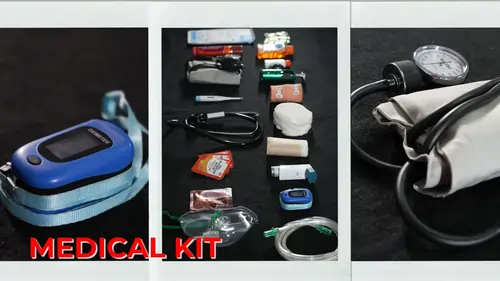
Personal Medical KitConsult your doctor


T-Shirt (Synthetic quick dry)1 Full & 2 Half sleeves
Fleece T-shirt1 Nos
Fleece jacket1 Nos
Windproof Jacket1 Nos
Down feather / Hollow jacket1 Nos
Thermal inner (Upper and Lower)1 Pair
Trek Pant (Synthetic quick dry)2 Nos
Fleece Pant1 Nos
Waterproof gloves1 Pair
Fleece / woollen gloves1 Pair
Poncho / waterproof Jacket and pant1 Nos


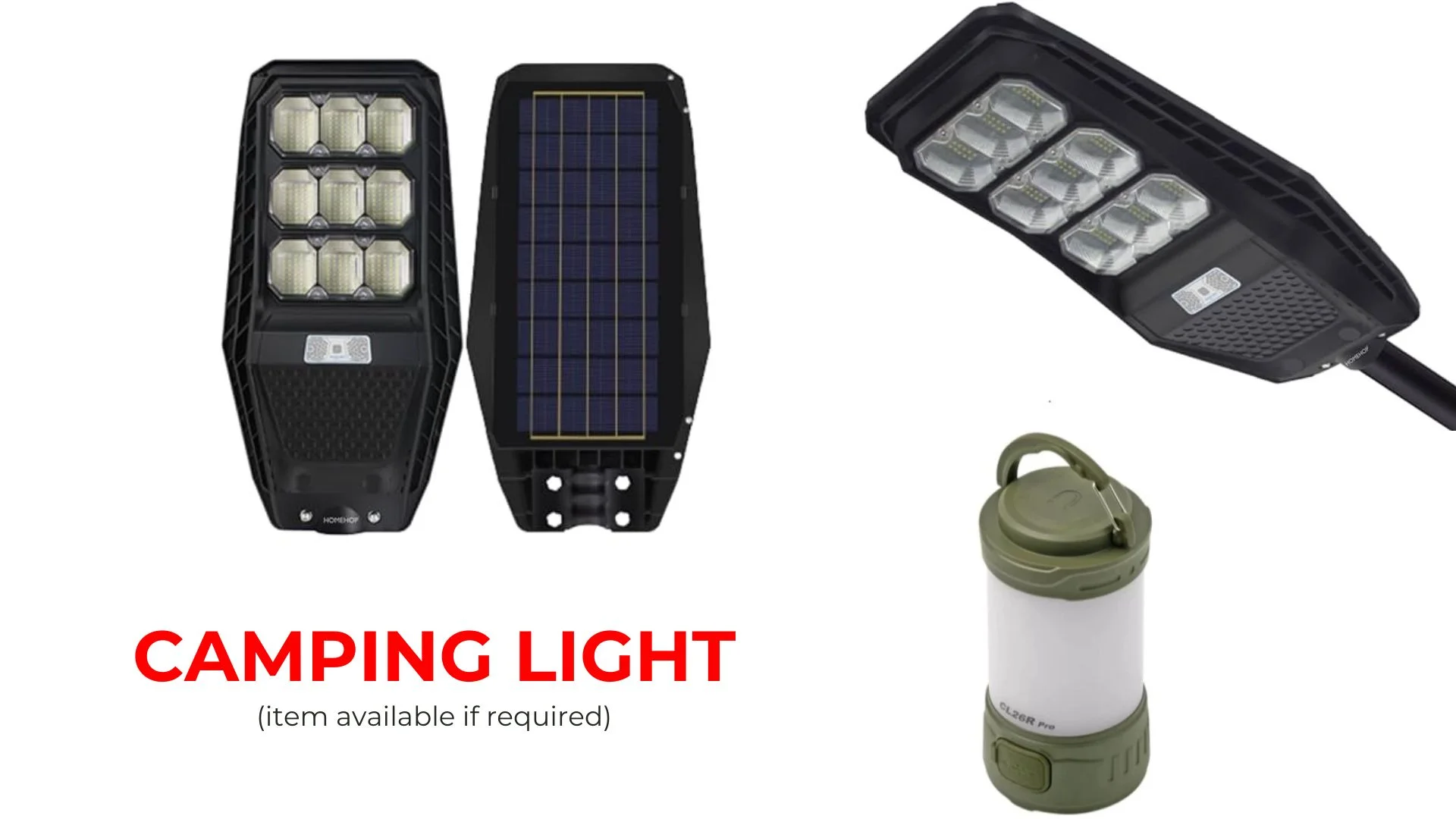
Head torch1 Nos. (Avoid Hand torch)
Sun Cap1 Nos
Woolen cap1 Nos.
Balaclava1 Nos.
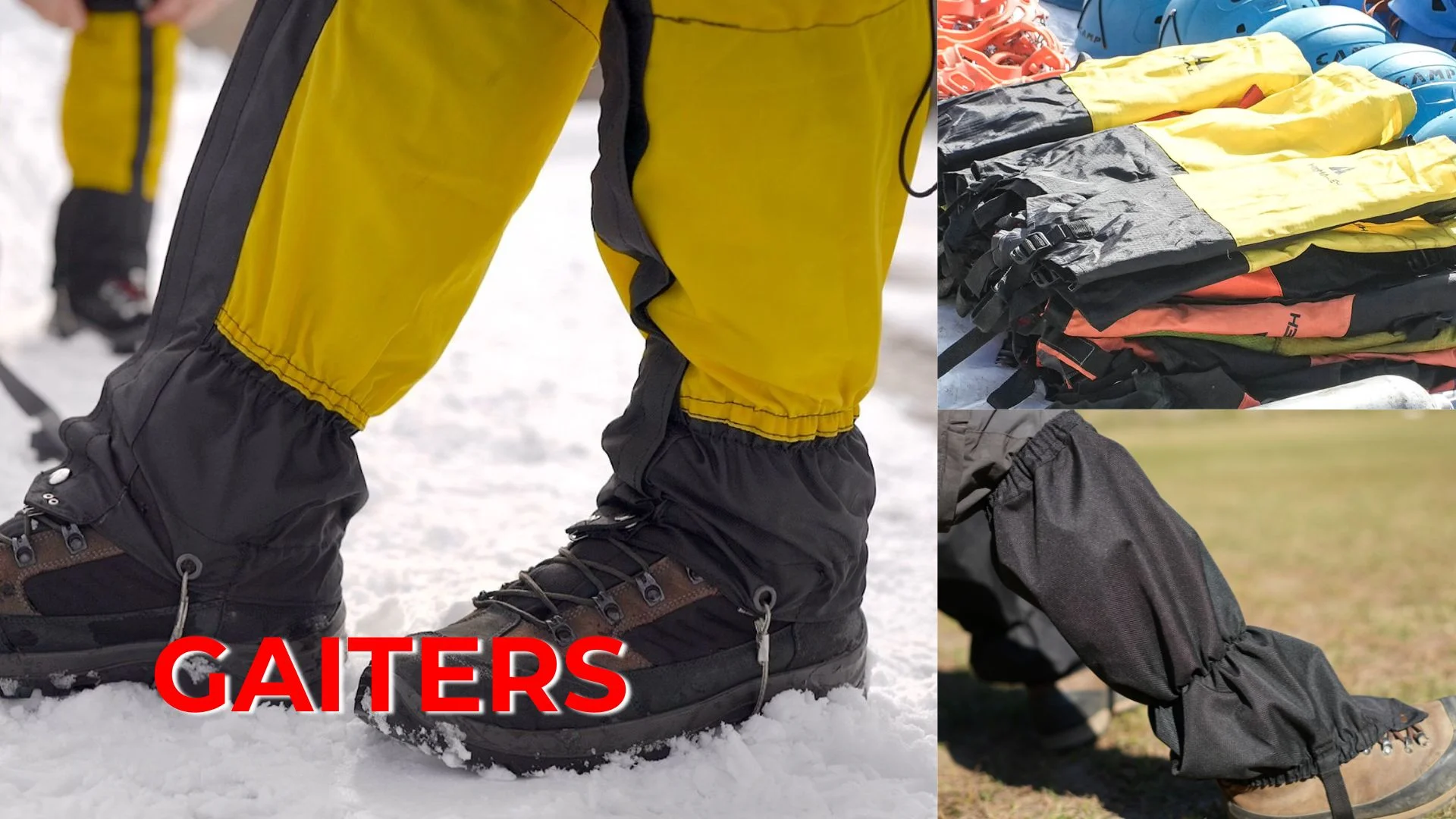
Buff / Neck-gaiters1 Synthetic & 1 Woollen
SunglassesUV with dark side cover, People who wear spectacles – (A)- Use contact lenses | (B)- Photo chromatic glasses


Trekking shoes1 Pair (Water-resistant, high ankle, good grip)
Floaters / flip-flops1 Pair
Cotton socks6 pairs
Woollen socks1 pairs
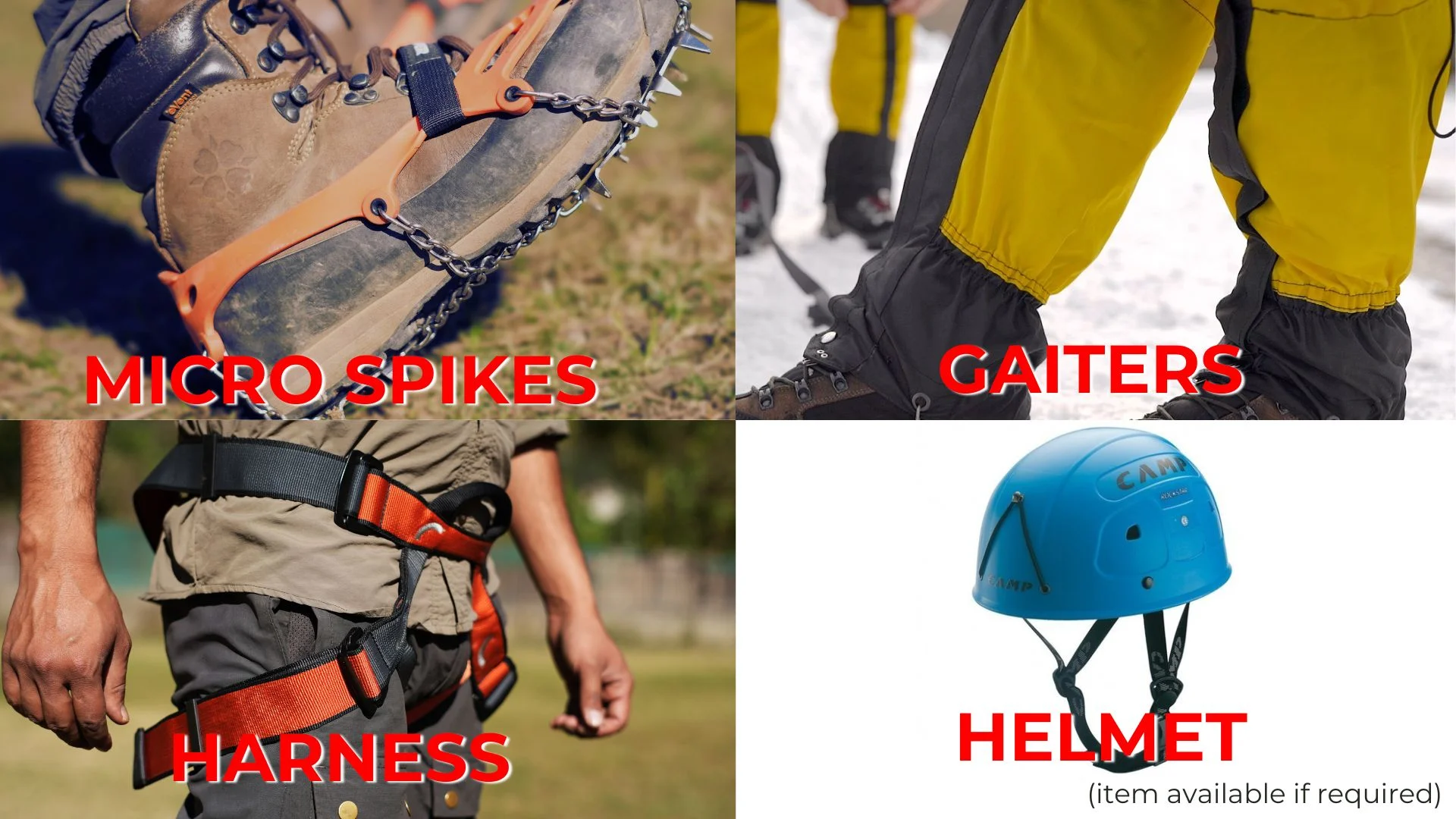
Gaiters1 Pair (NK provides when required)
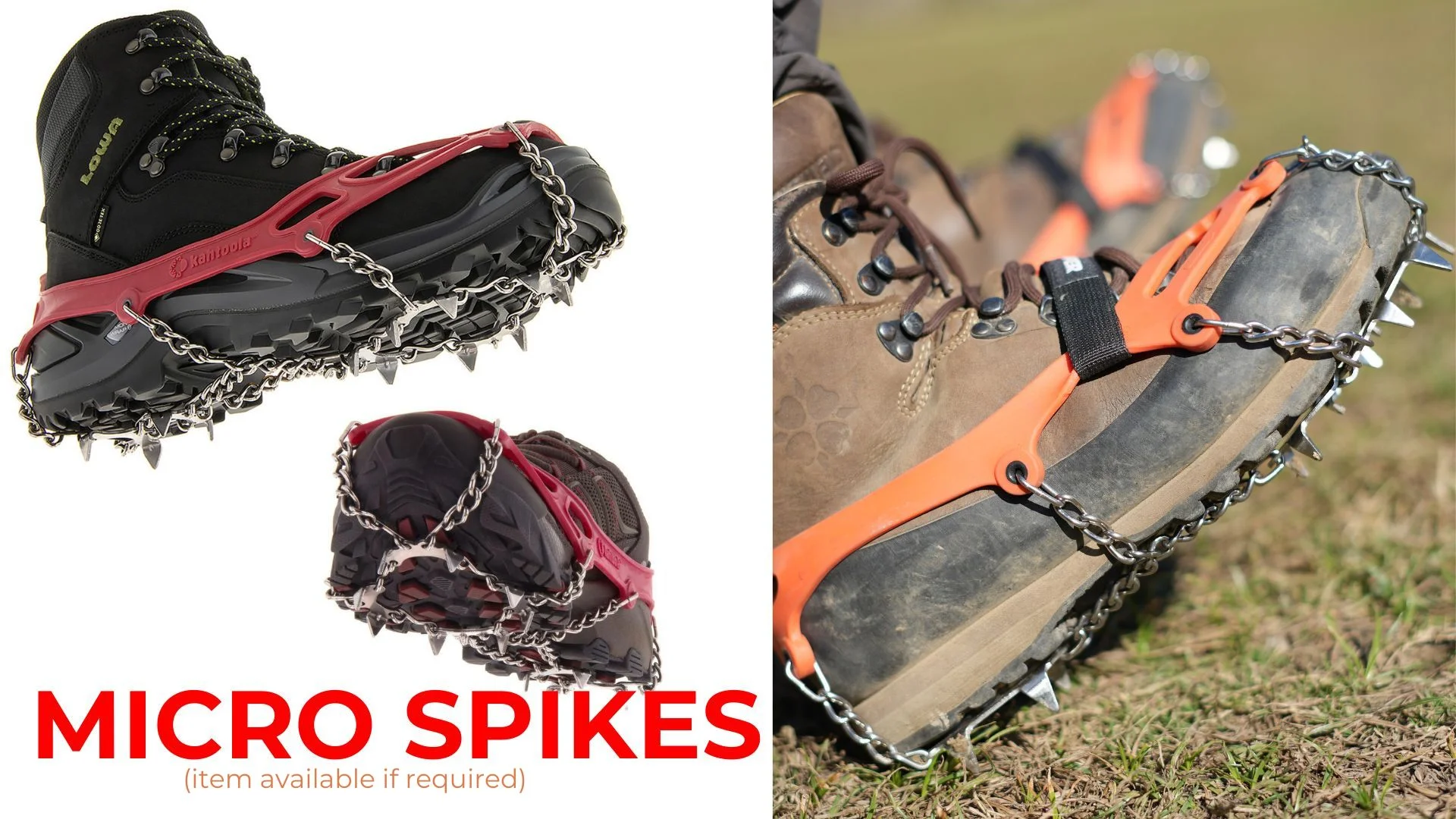
Micro spikes1 Pair (NK provides when required)


Sunscreen1 Nos
Moisturiser1 Nos
Chap-stick / Lip balm1 Nos
Toothbrush and toothpaste1 Nos
Toilet paper & Wipes1 Nos
Soap / hand sanitizers1 Nos
Antibacterial powder1 Nos
Quick dry towel1 Nos

FAQs

No, Everest is much harder than Mount Kilimanjaro. Climbing Mount Everest requires technical mountaineering skills, oxygen cylinders, and weeks of acclimatization. Kilimanjaro, on the other hand, is a non-technical trek. It is challenging because of the high altitude but does not require climbing gear or advanced experience.

The Machame Route is considered the most scenic way to climb Mount Kilimanjaro. It follows the “climb high, sleep low” principle, helping the body adjust better to altitude. The route passes through rainforests, moorlands, and alpine deserts, offering diverse landscapes and a high summit success rate.

The toughest sections are usually the Barranco Wall and the summit day. Barranco Wall looks intimidating but is a manageable climb. Summit day is difficult because the trek starts around midnight in cold conditions and requires trekking for many hours at high altitude.

Mount Kilimanjaro is the tallest free-standing mountain in the world and the highest mountain in Africa. It is also one of the famous Seven Summits, the highest peaks on each continent, making it a popular trekking destination worldwide.

On average, trekkers walk about 8–9 km per day. The distance varies depending on the route and the stage of the trek. The longest day is usually the summit day, which can involve around 16 km of trekking including ascent and descent.

The summit push starts around midnight so trekkers can reach the summit at sunrise. Starting early also helps avoid strong daytime sun and allows enough time to descend safely before afternoon weather changes.

The water provided by trekking teams is treated and safe to drink. However, trekkers should avoid drinking directly from rivers or streams without purification because the water may contain bacteria or minerals.

Yes. Mount Kilimanjaro is located in Tanzania, and most travelers need a visa to enter the country. Many visitors obtain a visa on arrival or apply for an e-visa before traveling.

Trekkers need a Kilimanjaro National Park permit, which includes conservation fees, camping or hut fees, rescue fees, and park entry charges. These permits are usually arranged by the trekking company.

Essential gear includes trekking boots, warm clothing, thermal layers, waterproof jacket and pants, gloves, sunglasses, sunscreen, and a backpack. Proper clothing is necessary because temperatures vary from warm forests to freezing summit conditions.

Yes. Kilimanjaro is a non-technical trek, meaning no climbing equipment is required. With good fitness, proper acclimatization, and an experienced guide, beginners can successfully reach the summit.

Most Kilimanjaro treks take around 8–9 days, including acclimatization and descent. Routes with more days generally offer better chances of reaching the summit.

You should have good stamina and endurance. Ideally, you should be able to jog 5 km in 30 minutes or walk 10 km comfortably. Regular cardio exercises like walking, running, cycling, and stair climbing help prepare for the trek.

Mount Kilimanjaro stands at 19,341 feet (5,895 meters) above sea level. It is the highest mountain in Africa and the tallest free-standing mountain in the world.

The total trekking distance depends on the route, but most Kilimanjaro routes cover approximately 60–70 kilometers over several days.

Trekkers are usually accompanied by a team that includes a chief guide, assistant guides, porters, and a cook. Typically, there are about three support staff for each climber to ensure safety and comfort.

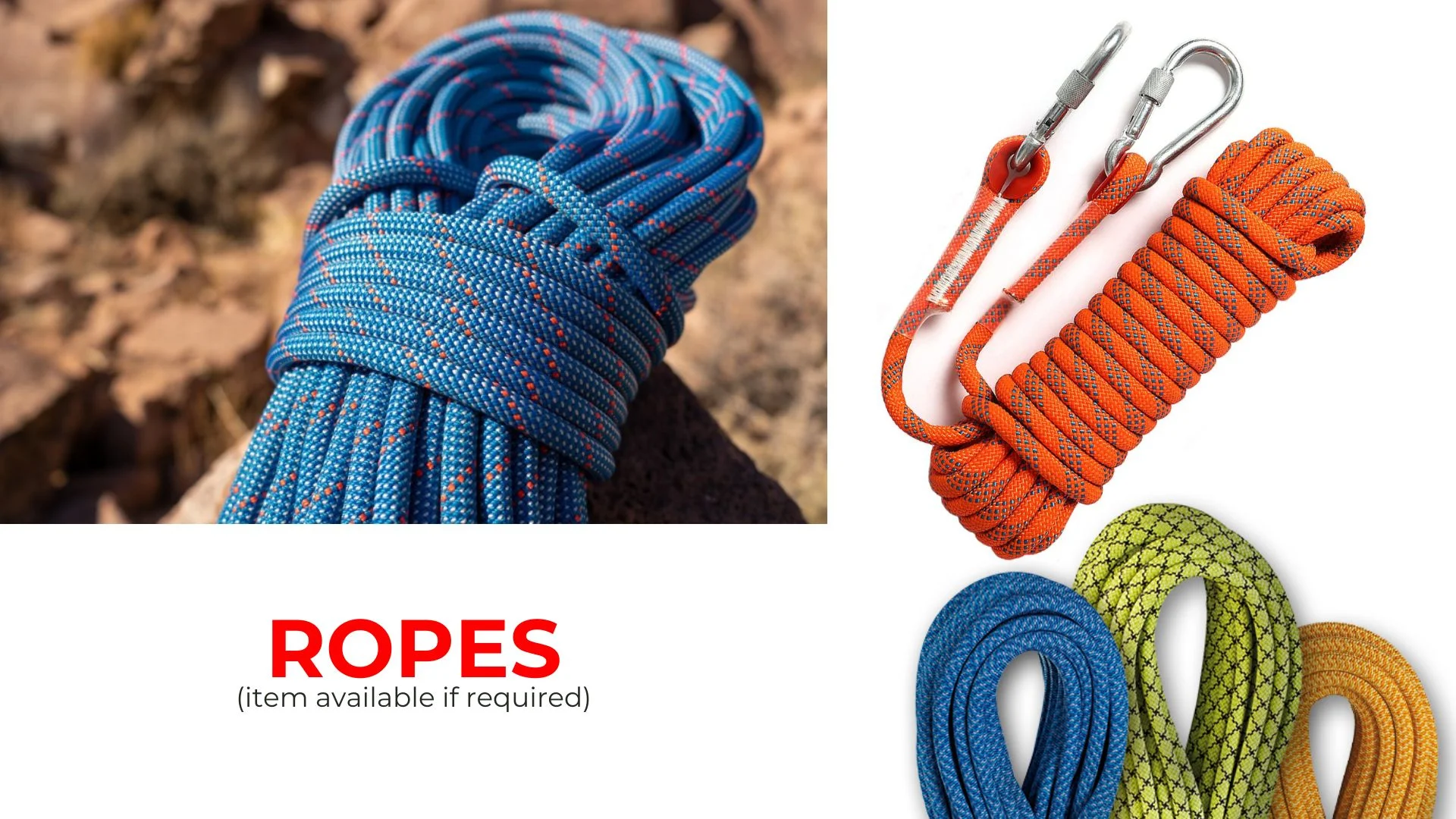
No. Kilimanjaro is a non-technical climb. Trekkers do not need ropes, crampons, or mountaineering experience. However, good physical fitness and acclimatization are important.

Trekkers usually carry a daypack weighing around 10–15 kg. Porters carry the main duffel bags containing camping gear and personal equipment.

Payment & Cancellation Policy:

When you have firmly decided to undertake the Tour with New Knight Adventure, you will need to book the trip with us. We must allocate enough time to prepare, obtain necessary documents and permits, and book hotels and Transport for the trip.
25% advance during the time of booking for confirmation
50% Amount one month prior of arrival in India
25% Amount to be one week prior of arrival in India


Cancellation Policy:

• If the cancellation is made 30 days before the tour starts, 25% of the full payment will be deducted and 75% will be refunded.
• If the cancellation is made 20 days before the tour start, 35% of the full payment will be deducted and 65% will be refunded
• If the cancellation is made 10 days before the tour start, 80% will be deducted and 20% will be refunded.
• No refund is made if the trip is cancelled after the departure for Expedition.
• No refund is made during the running tour.
• The cost of travel permit or any other documentation charges will not be refundable

Note: New Knight Adventure do all the ground operations in advance (As soon as we received the confirmation request from the guest). We pay advance payment to all our vendors to ensure all the services that we promise with the guest.