Day 1
Make your way to Leh (3,500M)
Since the trek starts in the high-mountain city of Leh which is at an altitude of 3,500M, it is essential for the body to acclimatize. We utilize the first two days to get in tune with the new environment and while we are doing that, to get acquainted with each other, some of the basic mountain rules and what to expect on the UT Kangri Winter Expedition.
Day 2
Rest and Acclimatisation at Leh (3,500M)
Day two is reserved for rest and acclimatization to the altitude, too. This is important to allow your body to adapt to its new environment and reduce chances of adverse health conditions. You can go around and explore the city market, delve into the colors and culture of this high-mountain city and visit some places nearby. A little movement around the city would be good for acclimatization. Also, use this time to go through your checklist and do some last-minute shopping for what you might be missing for the expedition. Leh has the best market for trekking essentials.
While the body acclimatizes, we take this time to get together with the group for a briefing session where we get to know each other better and delve into the happenings of the next few days – schedule, what to expect from a winter climb, basic do’s and don’ts and other such matters of importance.
Day 3
Leh (3,500M) to Rumtse Phu (4,600M)
Distance: 100 kms
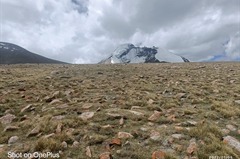
The drive from Leh to Rumtse Phu is the perfect introduction to the terrain of Ladakh. This short drive is an opportunity to study and admire the many features of this region since these are conditions we will experience during our climb.
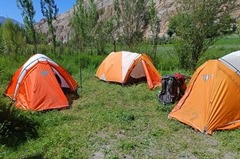
Once there, we set up camp near the trail head and spend the rest of the day acclimatising. We go for a short acclimatisation height gain in the evening before calling it a day.
Day 4
Rumtse Phu (4,600M) to Intermediate Base Camp (4,900M)
Today we get our first taste of Ladakh winters as we move from our camp at Rhumtse Phu towards Intermediate Base Camp. It is only 300M of height gain, but is quite significant for two reasons. Firstly, because winters make it harder for the body to acclimatise. Secondly, because we are moving towards an altitude of 4,900M only on Day 4 of coming from sea level.
Pace yourself, there is no need to rush. Remember to keep hydrated.
Day 5
Intermediate Base Camp (4,900M) to Base Camp (5,100M)
A small elevation gain brings us to our home on the mountain – the Base Camp. The Base Camp of any mountain is where climbers spend most number of days while on the mountain. This is where you get your equipment, practice techniques, get comfortable with your gear, offer prayers to the mountain for a successful climb and wait around for a good weather window.
Base Camp is practically home!
Day 6
Rest and Acclimatisation at Base Camp (5,100M)
Today is reserved to give the body time to acclimatise to the altitude. Remember to be out and about, take in as much of the air at this altitude as you possibly can. Staying active is the best way to adapt to a new height and environment.
Day 7
Training at Base Camp (5,100M)
Once we are a little more comfortable at 5,100M after having spent two nights here, we use Day 7 to train. Learning techniques, understanding how to work together as a team and knowing safe practices is all going to come handy on our most important day on this mountain – the summit push.
We turn in early so as to give the body enough rest to start our summit push tonight.
Day 8
Base Camp (5,100M) to Summit (6,030M) to Base Camp (5,100M)
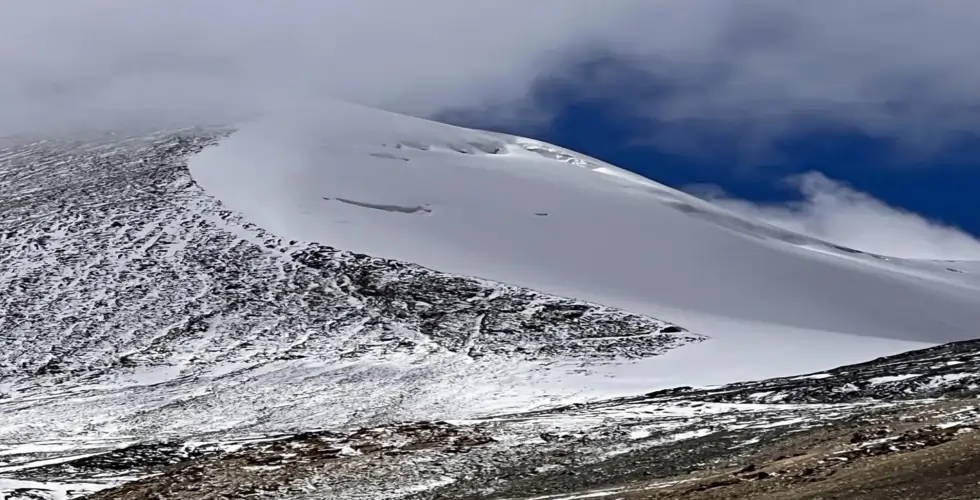
Summit day is the longest day on UT Kangri and the most challenging. With an elevation gain of 930M under harsh winter conditions, you need all the focus and strength you can garner. Extreme cold, strong winds, whiteouts, snow blizzards in addition to the challenges of the terrain make this climb an unforgettable experience.
Day 9
Base Camp (5,100M) to Leh (3,500M) through Rumtse Phu (4,600M)
The journey back to our starting point is a celebration through and through. We head down to the trail head and get our drive back to Leh. Expect to reach Leh by late evening.
Day 10 & 11
Reserve Day
In case of bad weather or other difficulties which might set us off schedule during the course of the entire expedition, Day 10 and 11 are set as reserve days. These will only get used if unexpected and unforeseeable conditions present themselves at the last minute preventing us from reaching our destination as planned.